Get Full Government Meeting Transcripts, Videos, & Alerts Forever!
Get email alerts on the Parking Policy topic
No spam. Unsubscribe anytime.
Indian Rocks Beach commissioners open study of paid parking; residents split over access, hours and equity
Summary
The commission opened a work session to study paid parking on beach accesses, parks and in the business triangle. Commissioners discussed $4–$5 hourly rates, resident decals, hours (8 a.m.–8 p.m. suggested) and enforcement via apps but took no formal action; public comment was sharply divided.
The Indian Rocks Beach City Commission opened a work session to explore paid parking and sought direction from staff on rates, hours and an implementation path. Commissioners did not adopt an ordinance but narrowed initial study points to an hourly range (roughly $4–$5), resident/property-owner decals, and differentiated hours for beach accesses, parks and the business triangle.
City Manager Greg presented a survey of neighboring beach cities showing an average public parking rate near $4 per hour and explained implementation options, enforcement technology and county interlocal arrangements for county-owned lots. "Without exception, the cities that have implemented this have resident parking decals that exempt property owners from meter fees," he said, recommending the commission consider decals and designated resident spaces.
Why it matters: Indian Rocks Beach is one of the last beaches in the county with free parking at access points; commissioners said they opened the discussion because of repeated complaints about long‑term occupancy of beach-access stalls, overflow to residential streets and pressure on public parks. Supporters said paid parking can manage crowding and generate revenue for beach maintenance; opponents warned about equity and the risk of limiting access for lower-income visitors.
Key proposals and tradeoffs discussed: - Rate: commissioners discussed $4 as a midpoint and considered $5 as acceptable; no rate was set. - Hours: 8 a.m.–8 p.m. for beach accesses and parks was discussed; a shorter daytime window (8 a.m.–5 p.m.) for the business triangle was proposed to support restaurant turnover. - Resident decals: staff recommended decals so residents could park without charge; commissioners agreed that designated resident spaces should be retained. - Exceptions: Cole Park, the art center, volunteer parking and Little League/sports schedules pose complications and may need special passes or separate rules. - Enforcement: staff suggested using third‑party parking vendors/apps that allow code enforcement or deputies to verify paid sessions by plate number.
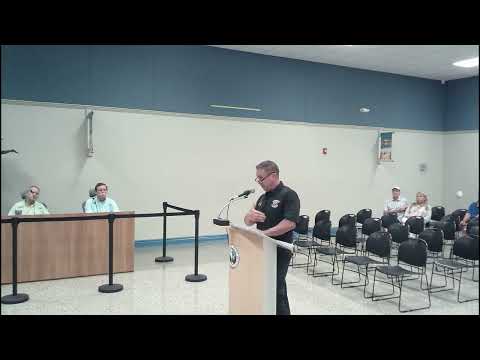
Public reaction: a large public-comment block produced sharply divided views. Several longtime residents urged the commission to preserve free public beach access and warned paid parking would favor wealthier visitors; others and some business representatives urged implementation to control overcrowding and protect neighborhoods. Many commenters asked how revenue would be spent; staff said allocations would be determined through the regular budget process.
What's next: commissioners indicated they want more outreach and additional conversations with business owners and stakeholders. No ordinance or resolution was introduced; staff will return with refined options, revenue projections, and potential zone/hour configurations for future consideration.