Get Full Government Meeting Transcripts, Videos, & Alerts Forever!
Get email alerts on the District Budget topic
No spam. Unsubscribe anytime.
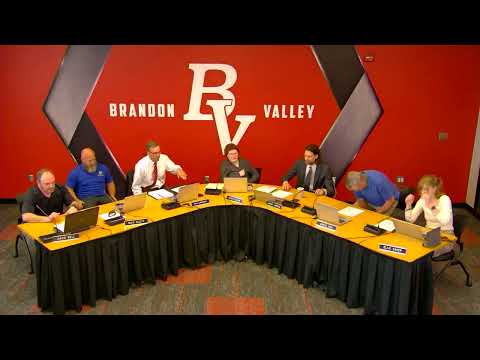
Brandon Valley School District 49-2 previews $75 million FY27 budget, schedules July 20 hearing
Summary
District administrators presented a preliminary FY27 budget of about $75 million that includes a modest planned general-fund deficit, a stronger special-education fund outlook and capital spending aligned with the five-year plan; the formal budget hearing is set for July 20.
Brandon Valley School District 49-2 administrators presented a preliminary FY27 budget at a board meeting, outlining roughly $44.5 million in general-fund revenues against just under $45 million in expenditures and a planned general-fund deficit of about $416,000.
Business officer Lundberg, who led the budget presentation, said the district is using a planned deficit as a budget-management strategy while continuing capital investments. "The proposed FY27 budget is approximately $75,000,000," Lundberg said, adding that the deficit is driven largely by two-year-old funding-formula amounts and fluctuations in other local revenue sources.
The presentation detailed fund-level projections: a capital-outlay fund projected to show a surplus (roughly $960,000 on about $10.79 million in projected revenues), a special-education fund with projected revenues of $12,375,000 and expenditures of about $11,859,000 (a projected surplus of roughly $516,000), and a child-nutrition fund still recovering from COVID-era shortfalls with a projected deficit near $129,000. Lundberg said the district plans a modest increase in meal prices — about $0.25 for lunch and $0.15 for breakfast — to help close the nutrition gap.
Enrollment and staffing figures were central to Lundberg’s explanation of the state formula. The district projects fall enrollment of about 5,270 students, up from 5,212 the prior year, which the presentation translated into roughly 351 teacher positions under the state’s large-school staffing ratio. Lundberg said the budget includes two contingency FTEs not yet authorized to protect against a shortfall if enrollment does not reach projections.
Superintendent Larson highlighted operational priorities outside the budget numbers, reporting that the district’s elementary project and a middle-school addition remain on schedule and on budget. "Please note the academic calendar is available online," Larson said, and reminded the board that the formal budget hearing will be July 20 (budget hearing at 6:00 p.m.; the annual meeting at 6:30 p.m.).
Lundberg described the district’s fund-balance position as stable, aided in recent years by variable bank-franchise-tax receipts, and projected an ending general-fund balance near $9.1 million for FY27 (about $9.5 million at the end of the current fiscal year, after a planned $400,000 spend-down). He also said a recent state property-tax relief bill shifts a larger share of school revenue to the state level and estimated that Senate Bill 216 reduces the district’s ability to collect growth revenue by about $250,000 a year for five years.
Board members asked clarifying questions about how the state’s "15 to 1" funding ratio is calculated; Lundberg clarified it refers to certified classroom teaching staff in the state formula, while aides and other support personnel are covered under overhead calculations. Several board members praised the turnaround in the special-education fund. "Great job on the special ed fund, especially," one board member said.
The meeting did not require final action on the budget; the board set a formal budget hearing for July 20. The board did approve routine consent items and personnel items by voice vote before adjourning.
What’s next: The district will present a final budget after the public hearing and any required board action at the July meetings.