Get Full Government Meeting Transcripts, Videos, & Alerts Forever!
Get email alerts on the Veterans Services topic
No spam. Unsubscribe anytime.
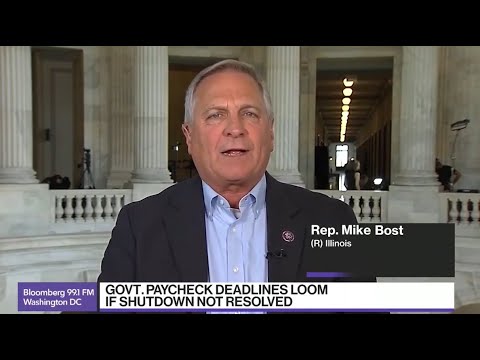
Mike Bost: Prolonged shutdown risks VA contract services though secretary says core care remains intact
Summary
Congressman Mike Bost, chair of the House Committee on Veterans' Affairs, warned a continued government shutdown could jeopardize contract-dependent services for veterans (TAP, home care, mental-health grants), while Secretary Doug Collins told the program core VA health care and vet-center services were not currently affected.
Congressman Mike Bost, chair of the House Committee on Veterans' Affairs, said a prolonged government shutdown threatens contract-dependent veterans services even as agency leaders say core health care is being maintained.
Bost told the program that while the House had passed funding measures, the Senate needed to act to reopen government and avoid service interruptions: "Each day of shutdown goes on, more pain is felt by more people," he said. He warned programs that rely on external contracts'including transition assistance programs (TAP) for servicemembers leaving the military, home-care services, day care for homebound veterans and what he referred to as "FOX grants" for mental health'could lose authorization if congressional funding lapses.
Doug Collins, the secretary, told the program that for "9,000,000 plus who get their health care through us, that they're not gonna see any difference in what they are seeing. Our vet center is still open. The counseling is going on. Our mental health outreach and and placement are still going on." Bost said he welcomed that immediate assurance but cautioned that many supports are contract-driven and thus vulnerable over time.
Bost described the budget timeline as a limiting factor: "This CR only gives us to the November 21," he said, contrasting that short-term continuing resolution with a January 31 date for other budgetary matters. He urged Senate action to avoid pushing needed services into jeopardy and said discussions on broader reforms should happen after government is reopened.
On the question of back pay, Bost said lawmakers have historically made federal employees whole and that failure to restore pay would be an anomaly; he drew on personal experience as a young Marine to underscore the stakes for families living paycheck to paycheck.
The immediate procedural step Bost and the host agreed was needed is Senate movement to pass funding and return both chambers to negotiate outstanding policy issues. No formal votes or committee actions were recorded on the program; the matters described reflect Bost's assessments and a statement relayed from Secretary Doug Collins.