Get Full Government Meeting Transcripts, Videos, & Alerts Forever!
Get email alerts on the Policy And Governance topic
No spam. Unsubscribe anytime.
Regent update on Center for Intellectual Freedom draws mixed reactions and public criticism
Summary
Board members heard an update on the new Center for Intellectual Freedom — including bylaws, an inaugural symposium and a planned national search for an executive director — and several public commenters criticized the center’s mission, low enrollment and use of public funds.
Regent Hensley updated the board on implementation steps for the Center for Intellectual Freedom established by House File 437. He told Regents the center was set up at Calvin Hall (interim director Professor Luciano DeCastro was hired in July), an advisory council and executive committee were formed, bylaws were adopted by the board on Dec. 3, and a Dec. 5–6 inaugural event drew legislators and national figures.
Hensley acknowledged early operational challenges: one planned course was canceled after low enrollment and organizers have contracted a marketing firm and commissioned a market assessment to better align course offerings and recruitment. The center has $1,000,000 in initial legislative funding; Hensley said ongoing funding options will be discussed by the Regents because the appropriation will not sustain long‑term staffing or growth. A national executive search process is under way and the executive committee will oversee recruitment; Professor DeCastro is an interim applicant and has been firewalled out of the search process.
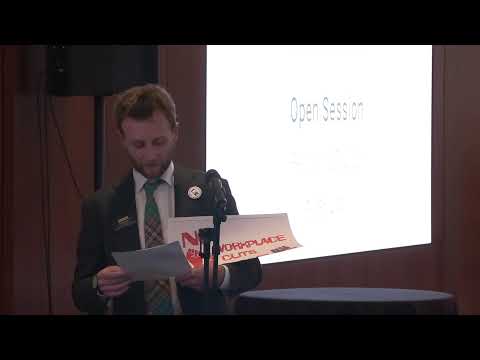
Public comment on the center was sharply divided. Clara Reiden and other faculty and students criticized the inaugural strategy colloquium (held under Chatham House rules) as politically tilted and lacking pedagogical emphasis, said advertised courses have poor enrollment and called the center a poor use of $1 million in public funds. Others, including a law professor who attended the colloquium, urged more engagement and offered to partner on academic programming, while cautioning against legislation that would give the center unreviewable authority over core curricula.
Why it matters: the center’s mandate and composition were established by recent legislation; how it uses state funds, recruits students and positions itself on campus are matters of public interest and governance oversight.
What’s next: the Regents executive committee will finish contracting for a national search and expects to have an executive director on board by July 1 if timelines hold; additional policy documents related to center activities will be drafted and routed through board legal and the advisory council.