Get Full Government Meeting Transcripts, Videos, & Alerts Forever!
Get email alerts on the Governance topic
No spam. Unsubscribe anytime.
Home rule charter submitted to Willow Park council; vote on May election tabled for legal review
Summary
The Home Rule Charter Commission delivered a proposed charter to the council. After extended public comment and legal questions about open-meetings and campaign-finance provisions, council voted to table action on calling a May special election to allow further legal review.
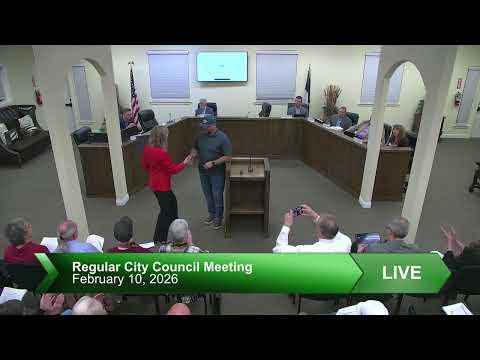
The Home Rule Charter Commission formally submitted its proposed charter to the Willow Park City Council on Feb. 10 after more than a dozen working meetings. Chair Jean Martin said commissioners unanimously approved the draft and delivered it to the city secretary for council consideration.
During an extended public-comment period and council discussion, residents and commissioners debated the charter’s scope, an independent ethics board, campaign-finance disclosure thresholds and whether the charter commission’s process complied with the Texas Open Meetings Act (TOMA). Commission members said the charter is intended as a framework for long-term governance and that many operational details (ethics rules, budget caps) were deliberately left for council-created ordinances and future public input.
Legal questions and council response: Several councilmembers raised concerns about the charter’s language on campaign finance and disclosure thresholds that appeared to differ from state statute and whether the commission’s final electronic sign-off process satisfied TOMA-like notice requirements. The city attorney and outside counsel advised that additional legal review was reasonable; bond/municipal attorneys present said that, while clerical corrections were minor, questions about TOMA applicability and statute conflicts warranted verification.
Council’s action: Rather than call a May 2 special election for voter consideration of the charter, the council voted to table the ordinance calling that election to allow further legal review and to ensure correct precinct and ballot language. The postponement effectively delays a charter vote beyond the May uniform election window and likely places any vote on a later uniform election date (for example, November) depending on the legal review and petition timing.
Context and next steps: The charter commission said it sought a durable, long-term governance document and that the draft reflects extensive public input. Council asked staff and attorneys to return with written legal analyses of the procedural and statutory questions flagged during the meeting before deciding whether to proceed to an election.