Get Full Government Meeting Transcripts, Videos, & Alerts Forever!
Get email alerts on the Water Resiliency topic
No spam. Unsubscribe anytime.
Hamilton board urges public updates as water task force advances; lower‑basin recommendations due winter
Summary
Select Board members pressed the Town Manager for regular, sharable deliverables from the North Shore Water Resiliency Task Force; the lower‑basin subcommittee expects recommendations to the full task force by December–January, with member community votes soon after.
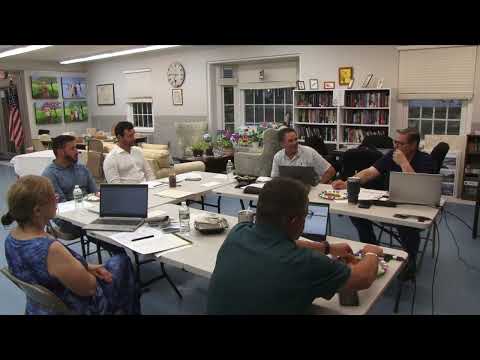
Hamilton's Select Board labeled water resiliency its top town priority at the Aug. 13 workshop, asking the Town Manager to deliver periodic, public-facing updates from the North Shore Water Resiliency Task Force and the lower-basin subcommittee.
Board members said residents want clearer explanations of options, costs and a staged decision process. One member urged the manager to produce simple graphics or a one-page update so the town can explain, "what's happened so far this year," and why occasional water bans still occur. The manager said an updated draft lower-basin subcommittee report was already in board packets and expected to be finalized at the group's next meeting. "You'll be getting updates over the next six months or so periodically," he said, adding the subcommittee plans recommendations to the full task force by December–January and anticipated member-community votes in January–February.
Technical status: The manager and members emphasized that Hamilton already invested in advanced treatment (GAC filtration and a secondary treatment plant) to reduce TTHMs and remove PFAS, and reported that the town's system currently shows non-detect levels of PFAS in the distribution system; board members noted surrounding towns remain under pressure to meet upcoming state requirements.
Costs and public engagement: Members repeatedly warned that the capital cost will be substantial and urged the task force to design solutions that spread costs across many communities and to be transparent about likely rate impacts. The board discussed the possibility of a special public meeting focused solely on water and agreed to ask the manager to propose a short schedule of deliverables (reports, graphics) the board could use to brief residents.
Next steps: Manager will circulate the finalized subcommittee update when available, provide recommended briefing artifacts, and the board will consider a focused public meeting before winter if the subcommittee's timeline warrants public input.