Get Full Government Meeting Transcripts, Videos, & Alerts Forever!
Get email alerts on the Personnel topic
No spam. Unsubscribe anytime.
Blair approves pay bump and hiring bonus to stabilize water-plant staffing
Summary
Facing unexpected turnover at the city water plant, Blair Council approved Resolution 2025-131 to increase license-differential pay and offer a split $1,000 hiring bonus to attract and retain certified operators.
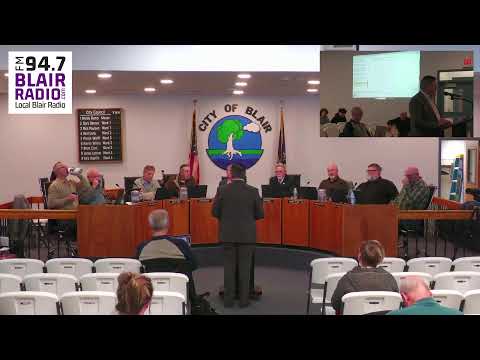
The Blair City Council on Nov. 25 approved a staff proposal to raise compensation tied to water and wastewater operator licenses and to create a hiring bonus intended to address recent staff turnover at the water treatment plant.
Mr. Heaton told the council the plant experienced substantial turnover in recent weeks and the city needs to retain and recruit certified operators. Under the council-approved changes, pay differentials for higher-grade water and wastewater licenses would rise from the long-standing $0.25/hour to a tiered supplement (approximately $1/hour for the next step, $2/hour for the following step, and up to $3/hour for top grades). Heaton also proposed a $1,000 hiring bonus split into two payments: $500 after successful completion of a six-month probationary period and $500 after earning an entry-level grade-4 water license and completing one year of service.
Heaton said the city currently pays for employees’ training, registration and travel costs for licensing classes and that licensing schedules depend on class availability. Council questions clarified that continuing-education obligations (10 hours for water every two years) and state licensing timing affect how quickly staff can advance.
Committees reported they had met on the issue and recommended the change; Pollson introduced Resolution 2025-131 and the council adopted it with all members present voting yes. Heaton said the water fund has capacity to absorb the near-term cost and staff will continue evaluating base wage adjustments and comparisons to neighboring utilities.
Implementation steps discussed in the meeting included scheduling training, ensuring the city covers class and travel costs, and monitoring whether the incentive increases retention and license attainment.