Get Full Government Meeting Transcripts, Videos, & Alerts Forever!
Get email alerts on the Historic Preservation topic
No spam. Unsubscribe anytime.
Historical Commission reviews museum’s 1871 and 1895 maps and research into early settler John Cook
Summary
The Acushnet Historical Commission said the town museum holds 1871 and 1895 maps and discussed ongoing research to locate the burial site of early settler John Cook, stressing the need for verified documentation before erecting markers or plaques.
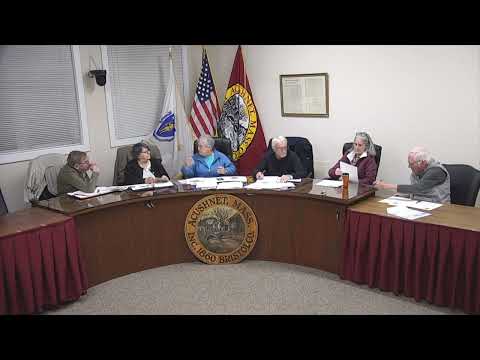
The Chair opened the Acushnet Historical Commission meeting and told members the town museum had located maps from 1871 and 1895 that could help the commission identify historic schoolhouses, homesteads and other early sites. “We found out that the museum has maps of Acushnet from 1871 and 1895,” the Chair said, adding she would provide copies for each commissioner.
Why it matters: Commissioners said the maps could clarify the locations and dates needed for future plaques, help resolve questions about old schoolhouse locations and support research into early town settlers. The maps were presented as primary documents that could be used to corroborate other records held at the registry and by local historians.
The meeting also focused on active research into John Cook, an early Acushnet settler who died in 1695. The Chair reported that researchers in the Boston area and in nearby Fairhaven have been tracing Cook’s homestead, wartime accounts and possible burial sites. According to the Chair, local inquiries suggest Cook’s house once stood near a jetty and that family burial plots tied to private properties may exist; researchers are attempting to verify whether Cook is buried locally or in Fairhaven.
Commissioners emphasized that any marker or plaque requires documentary backing. The Chair said she will consult deeds and historical accounts before recommending plaques, noting that plaques should include the builder or owner and construction year when that information can be reliably sourced.
The commission asked members to help identify people and places in donated photos and to bring any additional documentary evidence from the registry of deeds to support the Cook research and plaque work. The commission did not take a formal vote on markers at the meeting and said it would return with documented recommendations once archival searches and deed reviews are complete.
The commission adjourned after agreeing to continue the research and to distribute the museum maps to members for review.