Get Full Government Meeting Transcripts, Videos, & Alerts Forever!
Get email alerts on the Public Safety topic
No spam. Unsubscribe anytime.
Buckner council approves buying used highway‑patrol vehicle to replace totaled car
Summary
Council approved purchasing a used highway‑patrol Charger after staff said insurance proceeds (~$20,230) and a $2,000 buyback of the crashed car leave about $3,700 from city funds; council also discussed grant opportunities of up to $50,000 for equipment.
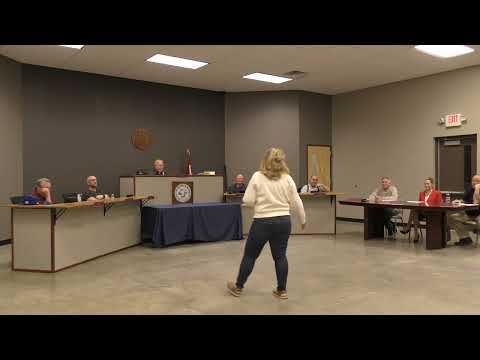
A staff member told the Buckner City Council the town can replace a totaled police vehicle by buying a used highway‑patrol Charger and transferring existing equipment, with minimal cost to the city.
"I got the—we got the insurance worked out. They total the old car," the staff member said, and added that insurance paid about $20,230; the crashed car was bought back for $2,000 after a new engine was installed, leaving an estimated "roughly $3,700 out the city budget" for replacement costs. The staff member said the used Charger is the same year as the town's existing vehicle, allowing equipment to transfer with no additional cost.
Council members questioned which equipment comes with the vehicle and whether the cars are stripped when sold. The staff member said patrol vehicles are typically stripped when sold and that only certain items such as a spotlight remain with a vehicle purchase.
Councilors also discussed fleet composition. The council was told the department has a Tahoe, an Explorer, a Durango and two Chargers in service, with one Charger needing a new motor and transmission. The staff member said the new engine installed in the damaged vehicle could be kept as a spare for the fleet.
The staff member noted a state equipment grant that has paid up to $50,000 to other municipalities for patrol equipment; the current application window closes in September, and the town expects it to re‑open in a few weeks.
A motion to proceed with the purchase was made, seconded and approved by voice vote; no roll‑call tally was recorded on the transcript.
Next steps recorded at the meeting included completing the purchase paperwork and submitting any applicable grant materials when the application window reopens.