Get Full Government Meeting Transcripts, Videos, & Alerts Forever!
Get email alerts on the Water Rates topic
No spam. Unsubscribe anytime.
Consultant recommends water rate increase to cover utility shortfall
Summary
At a public hearing on ordinance 2025-05, a consultant from OW Cronin Associates recommended raising water rates to address operating shortfalls, debt service and working capital needs; council members asked whether a smaller increase could meet requirements. No vote was taken tonight.
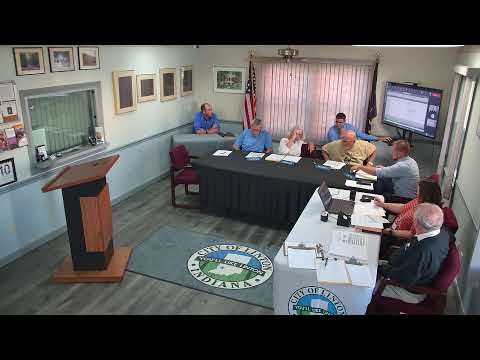
A public hearing on ordinance 2025‑05 opened with a presentation from a consultant for OW Cronin Associates recommending an increase in water rates to cover the utility’s revenue requirements under Indiana law.
Brandon, a consultant with OW Cronin Associates, told the council that the rate study and pro forma show operating expenses, depreciation and debt service on outstanding 2014 bonds have caused the utility’s expenses to exceed revenues. “We do recommend an increase at this time to cover the revenue requirements that are laid out by Indiana code,” he said.
Brandon presented an illustrative monthly bill for a typical 4,000‑gallon customer near $30.60 and said the recommended adjustment would allow the utility to replenish its operating fund and meet bond coverage and working‑capital needs. He said the utility has relied on transfers from other funds over the last year and a half and has not increased rates since 2013.
During council questioning, a member asked, “So we’re talking about an $11 increase, correct on a 4,000 [gallon] usage?” Brandon responded that cutting the proposed increase in half would leave an estimated revenue shortfall of roughly $375,000 and could prolong the time needed to rebuild the operating fund and jeopardize compliance with bond coverage requirements.
No vote on the ordinance was taken at the hearing. The ordinance was introduced at an earlier meeting, and the hearing provided the formal public‑comment opportunity and technical explanation of the rate study. Staff said they would circulate the full rate study and related materials to council members after the meeting.
The council adjourned the hearing after the presentation and discussion; the record shows the motion to adjourn carried on a voice vote.