Get Full Government Meeting Transcripts, Videos, & Alerts Forever!
Get email alerts on the Fire Services topic
No spam. Unsubscribe anytime.
Malta Ridge volunteer chiefs outline rising call volume, aging apparatus and recruitment needs
Summary
President Art Lions gave an annual update for Malta Ridge and Round Lake Hose Company, saying calls have roughly doubled over a decade, apparatus costs have surged while replacement funding lags, and recruitment/retention remains the biggest near-term risk to volunteer coverage.
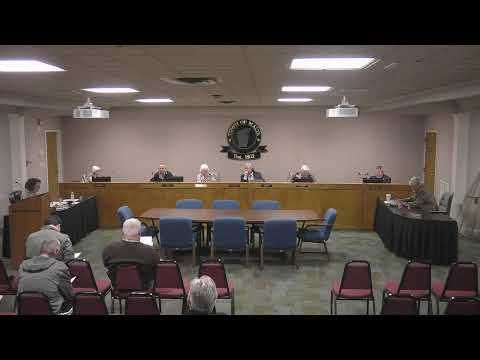
Art Lions, president of the Malta Ridge Volunteer Fire Company, presented a joint annual update for Malta Ridge and the Round Lake Hose Company, detailing call-volume trends, apparatus inventories and training initiatives. The presentation, delivered at the town board agenda meeting, emphasized that volunteers and a three‑year contract underpin the departments’ emergency coverage.
Lions said the Insurance Services Office (ISO) rating places parts of the town in the top 20% nationally and top half in New York State but noted the community score has declined since 2009 largely because of water‑supply gaps outside the fire companies’ control. "We are in the top 20% of the country and top 50% in New York State," he said, adding the ISO assigns different ratings depending on distance to hydrants and stations.
The presenter described the shared station opened in 2014, noted about $2 million remains on the mortgage maturing in 2035, and explained shared operations allow either company to respond from that facility during daytime staffing challenges. Lions outlined apparatus inventories and replacement practices, citing National Fire Protection Association guidance on replacement cycles and observing that local practice averages about 18 years per truck.
Lions highlighted a nationwide problem: delivery delays and doubling costs for fire apparatus. "A fire truck built in 2013 for $500,000 now costs a million dollars," he said, adding the department’s 2013 ladder truck that cost roughly $1 million would now exceed $2 million. He said department budgets have risen much more modestly, creating long‑term pressure on capital reserves.
On calls and mutual aid, Lions said decade‑long trends show a roughly twofold increase in call volume; he estimated Round Lake might send about 35–40% of calls as mutual aid. He described incident types (roughly 40% false alarms, 20% motor‑vehicle/rescue, 10% fires) and said mutual‑aid reliance has grown as volunteer numbers decline.
Lions urged recruitment: both companies run junior/explorer programs beginning at age 14, and the townwide Recruit New York event is scheduled for April 26, with a fundraiser barbecue May 16. He also described statewide stipend and training programs that reimburse and support volunteer training.
The presentation closed by flagging long‑term questions about whether the town will need station keepers or paid firefighters if densities and call volumes continue to grow, while noting that for the next two to three years both companies are "in a good spot" to provide service.
The board did not take a formal vote on the presentation; follow‑up items identified included comparing Malta's apparatus and costs with similar towns and providing a mutual‑aid breakdown by partner jurisdiction.