Get Full Government Meeting Transcripts, Videos, & Alerts Forever!
Get email alerts on the Pollinator Habitat topic
No spam. Unsubscribe anytime.
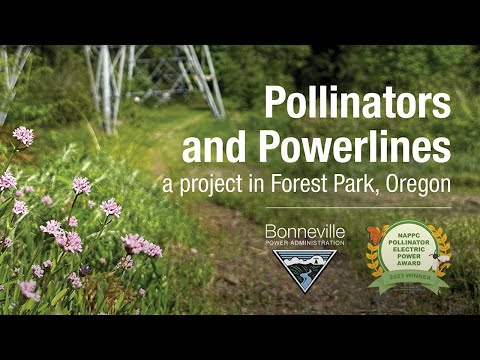
Agency official pitches pollinator habitat project along Bonneville rights-of-way
Summary
An agency official said the Bonneville Power Administration’s extensive transmission rights-of-way could be used to establish pollinator habitat by removing invasive plants and replanting with low-growing pollinator species; no formal decision was recorded in the excerpt.
An agency official with the Bonneville Power Administration (BPA) said the agency’s transmission rights-of-way could be converted into pollinator habitat, citing BPA’s large regional footprint and the mobility of pollinators across connected corridors. "Bonneville's service region is huge and we have 15,000 circuit miles of line ... Bonneville is in a very unique position to do a project like this because pollinators take advantage of this type of vegetation," the agency official said.
The official said the City of Portland and Metro suggested the opportunity and proposed a project that would remove invasive species from selected rights-of-way and replace them with low-growing plants suited to pollinators. The presenter said this fits with their group’s mission to "promote low growing sustainable plant communities." The proposal emphasizes using low-growing species so vegetation remains compatible with transmission-line clearance requirements.
The speaker noted infrastructure constraints and ownership patterns that affect management: the agency oversees about 15,000 circuit miles of line in the region and some lines are fee-owned, which can expand options for habitat work. The official framed rights-of-way as ecological connectors, saying they can "connect them to other habitats" and enable pollinators to move through the landscape where suitable plantings exist.
There was no formal motion, vote, or implementation timeline recorded in the provided excerpt of the presentation. The discussion in these segments presented the pollinator project as a potential collaboration among regional partners and BPA staff; next steps, funding sources, and approvals were not specified in the excerpt.