Get Full Government Meeting Transcripts, Videos, & Alerts Forever!
Get email alerts on the College Planning topic
No spam. Unsubscribe anytime.
College-access adviser outlines FAFSA timeline, scholarships at Clear Creek Amana event
Summary
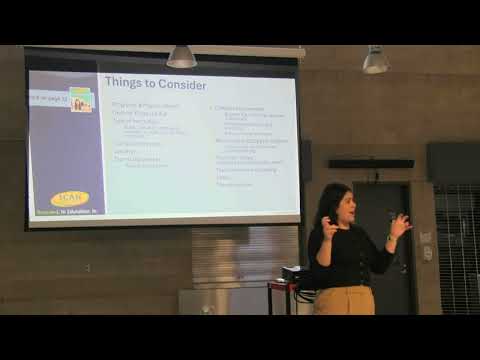
At a college-planning session at Clear Creek Amana High School, Lupe Hernandez of the Iowa College Access Network outlined career-assessment steps, campus-visit tips, scholarship search tools, and key financial-aid deadlines — including the FAFSA availability on Oct. 1 and the Iowa Board of Regents Admission Index threshold of 245 for automatic admission.
Lupe Hernandez, a representative of the Iowa College Access Network, told students at Clear Creek Amana High School that juniors should prepare early for college by taking career assessments, visiting campuses while classes are in session, and completing the FAFSA when it opens on Oct. 1 of senior year.
Hernandez explained the Iowa Board of Regents Admission Index — "they're going to take three times your ACT score, add it to 30 times your high school GPA, and then add it to the number of core courses you've taken here at Clear Creek AMA High School. When you add this up, this number needs to be a 245 or higher. If you get a 245 or higher, it's automatic admission into these three institutions," she said, urging students to confirm course plans and testing strategy early.
Why it matters: the session covered financial-aid basics and local resources that can change the cost calculus for students and families. Hernandez emphasized that the FAFSA is a gateway not only to federal and state aid but also to many institutional and private scholarships that require the form. She warned that about one in three FAFSAs is selected for verification and that students should be ready to respond quickly to verification requests to avoid delays or loss of aid.
Panelists walked through practical steps: take career assessments to guide class choices and campus visits; ask admissions about program-specific requirements (for example, some majors use placement tests while others rely on ACT results); collect business cards during visits to keep a clear contact path; and use scholarship databases, including the presenter’s Step One Scholarships resource.
Nick, an admissions representative from Kirkwood Community College, advised students to visit multiple campuses and said, "If in doubt, take the ACT," noting that test results can still matter for scholarships and some program placements even where admissions are test-optional.
Hernandez laid out a timeline for juniors and seniors: aim to apply for admission by July–October (ideally before Thanksgiving), file the FAFSA from Oct. 1–December, apply for local scholarships from December–April, respond to financial offers in the spring, complete orientation in June–July and begin classes in August. She also announced the Future Ready Career and College Fair on Sunday, March 29, 1–3 p.m., at the Hotel at Kirkwood Center.
On loans and budgeting, Hernandez summarized federal loan basics, noting current interest rates discussed at the event and the federal loan limits for first-year students, and advised families to focus on direct costs (tuition, fees, housing) while avoiding borrowing for indirect expenses where possible. She urged students to build a realistic four-year plan so scholarship and borrowing choices reflect the full cost of a degree.
The presentation included local scholarship information from district and banking partners, with the Clear Creek Amana scholarship deadline noted as March 31. Hernandez said her services are free to families, offered appointments in Iowa City and virtually, and that business cards and handouts were available after the session for follow-up assistance.