Get Full Government Meeting Transcripts, Videos, & Alerts Forever!
Get email alerts on the Budget topic
No spam. Unsubscribe anytime.
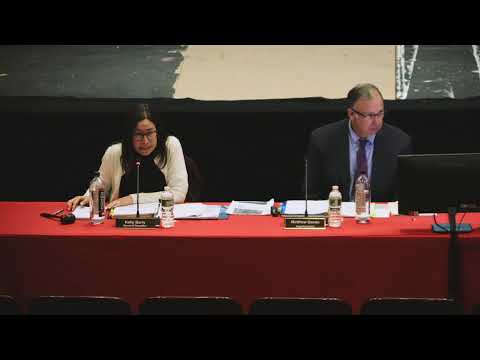
Rockville Centre officials unveil $3.2M budget gap plan, propose cuts to teaching and TA positions amid public outcry
Summary
District leaders presented a 2026–27 budget showing a $3.2 million gap and recommended about 24.2 teaching-position reductions and roughly 40 teaching‑assistant cuts; parents, teachers and students packed the meeting and urged alternatives ahead of April and May budget deadlines.
The Rockville Centre Union Free School District on March 12 outlined a recommended budget that the administration says will close a projected $3.2 million gap for 2026–27 while preserving long-term fiscal stability.
Superintendent Mr. Gavin opened the presentation by urging the community to remember “behind every number is someone who has dedicated time, talent, and heart to Rockville Centre.” Finance staff presented a revenue forecast of roughly $141 million and a proposed expenditure baseline of about $147 million, driven primarily by contractual salary increases, a projected health‑insurance rise (budgeted at 10%), and higher special‑education tuition and services.
Assistant administration presenter Ms. Rehak said the district’s initial gap was larger, and that a package of retirement incentives and earlier cuts reduced the shortfall to a current $3.2 million. To address the difference, the administration proposed a set of staffing and program changes that it says are necessary to avoid repeatedly relying on appropriated fund balance. The recommendations include reducing about 24.2 teaching positions (22 by excessing positions, 2.2 by other reductions), eliminating or not replacing roughly 40 teaching assistant roles (with a reconfigured assignment of 19 special‑education TAs and 16 general‑education TAs), and a set of non‑staff savings such as a 10% reduction in clubs, ending a lease used for Wilson art/music space (estimated savings ~$58,500), and removing district subsidy for the Ashokan trip (about $55,000).
The plan would also change some program frequencies and staffing models: for example, the Stellar elementary program would move to fewer cycles, middle‑school grade‑6 sections would be reduced, the district would reduce some AIS (academic intervention services) staff, and proposed adjustments to ICT (integrated co‑teaching) would prioritize placements based on projected incoming cohorts rather than replicating full ICT in every elementary building.
Administration emphasized a conservative approach to appropriating fund balance, recommending $1.6 million be used toward next year’s budget while preserving projected unappropriated fund balance near industry best practice (the presenter’s February projection showed about 3.94% unappropriated fund balance). The presentation also outlined a multi‑year review process for longer‑range structural options — including school closings, rezoning and a district‑wide “Princeton plan” — and said any such changes would require detailed studies, public engagement and, in some cases, state approvals.
The presentation drew sustained and emotional public comment. Leslie Danino, president of the Rockville Centre Teachers Association, objected to the proposed staffing cuts and to the pace of changes, saying, “These are not abstract budget lines. These are children sitting in our classrooms every day trying to learn in an environment stretched too thin.” Several teachers, parents and students said reductions to teaching assistants, AIS positions and special‑education staffing would directly harm Tier‑1 instruction and legally required supports. Other public commenters asked for clear, line‑by‑line financial disclosure about recent administrative departures, settlements and insurance costs cited by the district as budget pressures.
Board members and administrators agreed to continue public review: administration will present a revised budget recap on March 26, with a preliminary budget hearing scheduled for April 16, a public budget hearing on May 7 and the budget vote on May 19. The board and administration asked for continued public input and pledged to provide additional detail on contingency assumptions, tuition projections (including BOCES increases), and the distributional impact of TA and special‑education changes.
Next steps: administration will return on March 26 with an updated budget incorporating feedback and any new state aid information; the board’s preliminary budget adoption is scheduled for April 16 ahead of the public vote on May 19.