Get Full Government Meeting Transcripts, Videos, & Alerts Forever!
Get email alerts on the Caucus Convention topic
No spam. Unsubscribe anytime.
Utah County GOP leaders defend caucus-convention system, say incumbency and spending drove primary outcomes
Summary
Utah County Republican Party leaders reviewed post-primary data on a podcast, saying incumbency and top campaign spending strongly predicted primary winners, that only six of 24 signature-gathering qualifiers won primaries, and outlining outreach and operational steps to boost delegate engagement.
On a county Republican podcast, Utah County GOP leaders defended the caucus-convention process and presented data they said shows incumbency and campaign spending were the strongest predictors of primary victory.
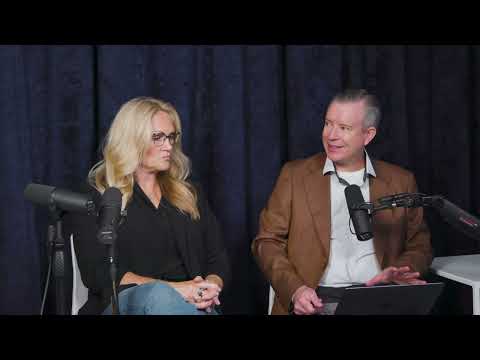
The vice chair and podcast host convened Wendy Hart, the county party volunteers officer; Christy Henshaw, Utah County Republican Party chair; and Max Sims, a house district chair and state party tech officer, to review outcomes five days after the primary and to discuss lessons for future cycles. “Spending was a big factor,” Sims said, summarizing the party’s analysis of incumbency, name recognition and fundraising.
Why it matters: the episode focused on whether convention results that differ from primary outcomes undermine the party’s process. Panelists argued the caucus-convention path preserves in-person vetting and neighbor-based selection and said party efforts to support convention nominees can narrow the money gap in primaries.
Key findings and examples: Sims told listeners that, in the races they reviewed, incumbency and top spending correlated closely with wins. He reported that all incumbents who were the top spender in their race won (14 cases) and that nearly every top-spending convention winner also prevailed in the primary, with one exception. By contrast, only six of 24 candidates who reached the primary via signature gathering won, and just 40% of the top-spending signature gatherers converted those expenditures into primary victories, Sims said.
On the governor’s race, Sims said the incumbent’s campaign outspent challenger Phil Lyman roughly 2.1 million to about 1.0 million, but the margin in the primary was under 10 percentage points—“the smallest gap of any incumbent governor in our lookback,” he said. As a grassroots proxy, Sims reported small-dollar donations (under $100) numbered about 560 for Governor Spencer Cox’s campaign and 1,976 for Lyman’s, which the panel described as an indicator of localized, retail support.
Panelists argued signature gathering frequently functions as a money-driven path onto the ballot. “All of the federal races, all of the statewide races, the state-level races—every single one of the signature gatherers that qualified for the ballot paid for their signatures,” the vice chair said, summarizing the panel’s observation that paid signature operations were common in the races they examined.
Delegates and turnout: the party said convention attendance included a high share of new participants—about 72% new delegates at the state convention in their count, higher than the usual 40–50%—and described long, committed participation (one session ran about 17 hours). Panelists highlighted that many delegates prepared detailed binders and spent 20–40 hours vetting candidates, which the speakers presented as evidence of substantive, grassroots engagement.
Steps and next actions: the party announced plans to run a precinct-by-precinct analysis to compare areas with heavy canvassing and volunteer outreach against those with less party support; improve data and pre-registration tools (Precinct Portal); expand trainings and communications; and reduce logistical barriers to attendance (for example, offering babysitting support was mentioned as a possibility). The panel also emphasized continued fundraising to sustain volunteer operations and outreach.
What the guests said in closing: Henshaw and Hart framed the caucus-convention system as a long-term institutional anchor that allows party members to vet candidates directly and to keep special-interest spending in check through organized grassroots activity. The episode ended with a reminder of the party’s online resources including ucp.org and the state GOP site (gop.org).
The party provided the data and the anecdotes during the podcast; no formal votes or motions were recorded in the session.