Get Full Government Meeting Transcripts, Videos, & Alerts Forever!
Get email alerts on the Nrc Rulemaking State Engagement topic
No spam. Unsubscribe anytime.
NRC officials say agency is overhauling rulemaking, pledges state outreach as Utah pursues nuclear plans
Summary
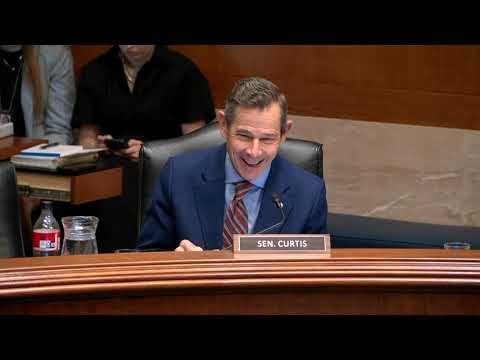
At a Senate hearing, Nuclear Regulatory Commission officials told senators rulemakings launched under an executive order will cover the full nuclear lifecycle and that the agency is using pre‑application engagement and public dashboards to help states and smaller applicants navigate licensing.
At a Senate hearing, Nuclear Regulatory Commission officials told lawmakers they are pursuing a set of rulemakings that will address the full lifecycle of nuclear energy projects and pledged to step up engagement with states and smaller applicants as interest in domestic nuclear development grows.
An NRC representative testified that rulemaking efforts begun under the executive order “will cover the entire life cycle of nuclear from the front end to the back end,” and said the agency aims to provide a more predictable licensing framework so the United States can reduce dependence on foreign uranium and enrichment. The representative said the NRC will provide greater transparency through website dashboards that report licensing performance and how the agency uses resources.
The focus on rulemaking and outreach came as several senators highlighted Utah's interest in pursuing new nuclear projects and asked how the NRC will help states and municipal applicants. A senator said Utah had requested that conversion be added to the state's agreement-in-principle status and asked whether the NRC would respond by the summer; the NRC representative replied that the agency believes it is on track and will verify that timing.
Commissioner Wright told the panel he and other NRC commissioners have been meeting with state leaders. “I've also met personally with Governor Cox and actually appeared in a video with him on the nuclear issues,” Wright said, describing outreach to the governor's office and legislative leaders in Utah and calling the NRC “a resource for the states.”
Senators also raised concerns that U.S. permitting and regulatory processes are “too slow, too duplicative, and too unpredictable,” and asked how the agency will ensure smaller, resource‑constrained applicants can navigate the system. An NRC representative said pre‑application engagement is one of the agency's most important tools: “One of the most important things we do, Senator, is our pre-application engagement with applicants,” the representative said, adding that those discussions help the NRC identify information gaps, gauge application maturity, and prioritize review resources.
Lawmakers pressed whether the agency can assure taxpayers that resources are being used effectively. The NRC representative said the public should “judge us by our actions,” pointing senators to new dashboards and noting the agency has set priorities to operate more efficiently while enabling the safe use of nuclear technologies.
Lawmakers mentioned two smaller, municipal organizations—Uintah Water Conservancy and the Utah Associated Municipal Power Systems (UAMPS)—as examples of entities that may need extra help navigating licensing. The NRC official reiterated the agency's willingness to engage directly with such applicants to clarify expectations and application requirements.
The committee concluded with senators thanking the commissioners for their work and with the NRC official noting the agency would attend a state event by the end of the month to discuss reforms and expected timelines. The NRC will also verify the status of Utah's conversion request and report back on the timeline.