Get Full Government Meeting Transcripts, Videos, & Alerts Forever!
Get email alerts on the Student Engagement topic
No spam. Unsubscribe anytime.
Students urge career-focused lessons, mental health skills and stronger bullying response in SSAC presentations
Summary
Members of the Wisconsin Rapids School Districts Superintendents Student Advisory Council presented multiple proposals asking the district to pilot monthly career presentations, student-led anti-bullying assemblies, classroom-connected engagement activities and social-emotional/CBT skills; staff said several ideas will be forwarded to administration for further work.
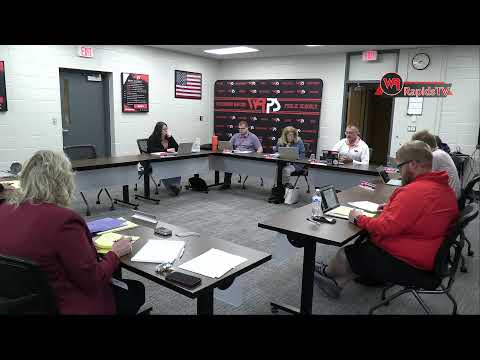
Students from the Wisconsin Rapids School Districts Superintendents Student Advisory Council (SSAC) presented a series of proposals to the Educational Services Committee on a range of classroom and support initiatives.
"Our ideas really just focus on expanding classroom experiences by incorporating information about college degrees and careers directly into the courses that we already have at Lincoln," said Donaldson, an SSAC student, who described a proposed "career of the month" pilot that would bring guest speakers into classes and tie lessons to real-world jobs. The presenters told the committee their student survey had 235 responses; roughly 64% said they felt "somewhat prepared" for life after high school, more than 37% said classes did not inform them about career options, and about 68% said they wanted guest speakers.
Another student team led by Willow Lee proposed measures to strengthen peer connectedness in middle and high schools, including more structured Raider Pride Time activities, a district-wide suggestion box (anonymous or named), and student-teacher lunchtimes designed to build relationships and increase participation.
"We're losing our social connections," Willow said, urging more games and activities during the first five minutes of class and better ways for students to anonymously surface ideas for change.
A sixth-grade pair described cognitive behavioral therapy (CBT) techniques for classroom use, recommending tools such as journals, "catch-check-change" exercises, meditation and short role-playing activities to address thinking traps and preempt escalations. "CBT helps address the root of why and how we do what we do," one presenter said, arguing these skills can improve self-awareness, sleep, communication and behavior.
On bullying, Natalie summarized SSACs high-school and middle-school survey comparisons and urged more student-led assemblies, clearer consequences for severe incidents and proactive resilience-building for both targets and students who bully. "A lot of students said have an assembly," she told the committee, saying student-delivered presentations could be more effective than adult-only programs.
Noah Peterson and Simon Pancraft proposed a 12-week social studies capstone course at Lincoln High School that would combine seminars, career exploration and supervised civic or internship projects culminating in a portfolio and capstone presentation; they said Miss Reeves will bring a formal course proposal forward.
District staff thanked students for the presentations and said several ideas will be shared with administration and incorporated into planning where appropriate. Committee members and staff noted overlap among projects (career connection, social-emotional learning and engagement) and encouraged SSAC members to reapply next year and continue their work.
The committee did not take formal votes on the student proposals tonight; staff indicated they will follow up and incorporate viable elements into curriculum and PD planning.