Get Full Government Meeting Transcripts, Videos, & Alerts Forever!
Get email alerts on the Cannabis Policy topic
No spam. Unsubscribe anytime.
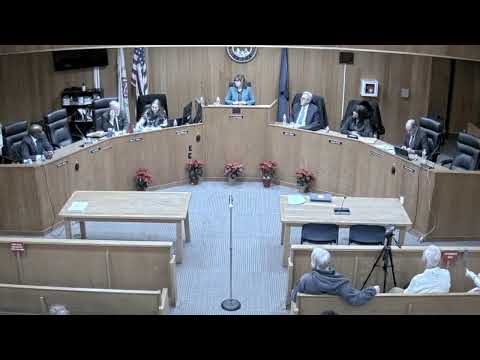
Englewood council moves forward with retail‑cannabis zoning, debates safety and siting
Summary
After hours of public comment, the Englewood City Council adopted zoning rules to allow retail cannabis in designated areas and introduced broader code amendments that set strict security requirements; residents urged downtown siting while police said evidence from other towns shows no clear crime increase.
Englewood’s City Council on a final meeting of the year voted to adopt zoning changes that permit retail cannabis sales in certain designated zones and moved to introduce a separate ordinance that would add security and operational rules for retail dispensaries.
The council adopted ordinance 2540, amending the city’s land‑use code to permit retail sale of cannabis products within specified zones. The measure was followed by a public hearing and extended comment on a companion ordinance, 2541, which the council introduced for further consideration and detailed requirements.
Several residents urged the council to require that dispensaries locate in downtown Englewood rather than along Route 4. Diane Jansen (Ward 2) told the council that “dispensaries on Route 4 East and Route 4 West … will exacerbate the issues that we have had and have been fighting against for over 30 years” and expressed concerns about existing transient traffic, illegal drug activity and vehicle‑based crimes near the Jones Road exit.
Industry speakers and operators urged the opposite approach. Jason Arian, who said he operates cannabis stores in New Jersey, argued that placing stores in town centers can “build a community” and cited tax revenue his stores brought to other municipalities. Darne Cassinathan, president of Joy Leaf Dispensary in Roselle, said operators can destigmatize cannabis and run educational, low‑incident retail operations.
Public safety was the central point of debate. In response, Englewood’s police chief (referred to in the record as Chief Gley) said he had spoken with chiefs from municipalities that host dispensaries and did not find evidence that those sites caused sustained increases in crime. The chief told the council that security measures mandated by state rules and local ordinances — including cameras and private or contracted security — act as deterrents and that some towns initially used police details but later discontinued them after incidents subsided. He also noted anecdotal observations about average transaction times: “the transaction average is about seven minutes,” which he said limited backup on adjacent roadways.
Council members said they intend to proceed cautiously. Council President Wasatski pointed to language in the proposed code amendments that would require video recording of entrants and vehicles and require “armed private security guards or uniformed Englewood police officers … at every entry and exit at all times when the facility is open for business,” and said the city can refine siting language if it proves too restrictive. “We’re going to start small,” the president said, adding the council can revisit zoning and ordinance language based on experience.
The immediate outcome: ordinance 2540 (zoning permission) was adopted after roll call; ordinance 2541 (code amendments setting operational and security requirements) was moved and introduced for further review and ordinance hearings. Council members said the licensing or allocation process would follow adoption, with applications and site selection to be considered afterward.
What’s next: council members and staff said they will monitor outcomes in other nearby municipalities, collect available incident data if needed, and return to the council if the ordinance requires modifications or if the practical availability of sites proves problematic.