Get Full Government Meeting Transcripts, Videos, & Alerts Forever!
Get email alerts on the Budget topic
No spam. Unsubscribe anytime.
Rock Hill Schools board approves $240M general fund budget with raises, special‑education hires and no tax increase
Summary
The Rock Hill Schools Board of Trustees unanimously approved the fiscal 2026–2027 general fund budget, a balanced $240 million plan that includes $2,000 teacher step increases, a 3.5% cost‑of‑living raise for non‑teaching staff, six new special‑education teachers and 12 assistants, and no property tax increase.
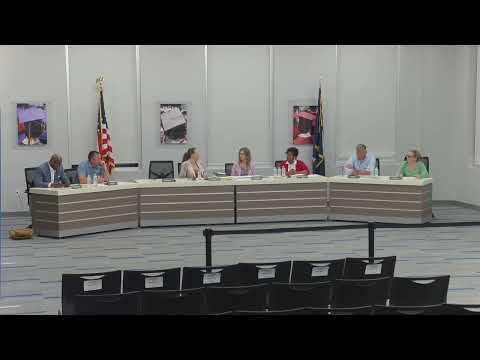
The Rock Hill Schools Board of Trustees on Monday approved a balanced $240 million general fund budget for fiscal year 2026–2027, voting 7‑0 to adopt the plan administrators said preserves classroom staffing and adds targeted supports for special education.
Administration framed the budget around board goals to "deliver academic excellence" and "optimize resources," Superintendent Dr. Elder said, noting the district added positions to lower pupil‑teacher ratios in exceptional student education classes and held community sessions to solicit input.
CFO Kevin Madden told trustees the plan counts on an estimated 8% increase in local tax revenue and $101.5 million in state funding, and that the district did not rely on one‑time fund balance to close the budget. "Overall revenues of $240 million," Madden said, and the proposal, he added, is balanced with "no tax increase."
Key provisions include a $2,000 step increase for teachers across each cell of the salary schedule, a 3.5% cost‑of‑living adjustment for all non‑teaching employees, and the addition of six special‑education teachers and 12 educational assistants to improve ratios, items trustees described as priorities for instructional quality.
The presentation also flagged personnel and program line items: operations, maintenance and transportation costs, outsourced contracted instructional services and consultant spending, and a $13,500 per‑teacher processing cost tied to hiring international teachers. Madden said the district hopes to reduce international recruiting costs as more local teachers are hired.
Trustees asked for clarification about a $1,000 per‑school allocation for media centers and arts ($500 each), supplemental band funding and the district's roughly $3.5 million annual energy bill. Administration said band funding remains significant in addition to the per‑school allocation and that most energy costs come from York Electric and some from the City of Rock Hill.
After trustees received the presentations and asked questions about consultant costs, athletics and equitable program fees, a board member moved to approve the budget. The motion passed unanimously, 7‑0.
The board also approved a number of routine personnel items and course approvals during the same meeting. Administration said the district posts its annual fiscal audit on the district website and provides hard copies on request. The board did not raise the millage rate as part of this budget.
The board will publish the approved budget and related documents on the district website and will continue follow‑up reporting on items trustees requested, including an energy‑cost report and further detail on consulting expenditures.