Get Full Government Meeting Transcripts, Videos, & Alerts Forever!
Get email alerts on the Land Use Development topic
No spam. Unsubscribe anytime.
Court remand: Planning & Zoning approves 102‑unit Weed Street project after mandated changes
Summary
By court remand, the commission formally approved the previously contested 102‑unit transit‑oriented development at 751 Weed Street after the applicant revised plans to comply with the court's conditions (removal of a sidewalk link, relocation of a sewer tie through a private easement and drainage adjustments). The approval was carried as ordered; one commissioner recorded a 'no' vote.
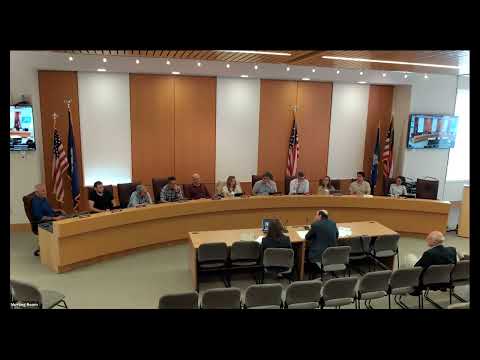
New Canaan’s Planning & Zoning Commission executed a court‑ordered remand on May 26, formally approving a 102‑unit, transit‑oriented multifamily development at 751 Weed Street.
Staff explained the remand required three plan revisions: removal of a proposed sidewalk connection to Kimberly Place (the judge ordered the sidewalk removed), relocation of the sewer connection to use an existing private easement through a neighboring parcel (rather than a street tie), and minor adjustments to level spreaders in the stormwater system to meet the town’s 2022 drainage policy. The applicant resubmitted plans incorporating those changes and the town engineer reviewed the drainage updates before the vote.
Because the approval was required by a state court remand (memorandum of decision dated July 1, 2025), the commission did not reopen deliberation on the substance and recorded a roll‑call vote after confirming the plan changes. The motion passed with a majority; one commissioner registered a dissenting vote.
What changed: the sidewalk connection to Kimberly Place was removed per the remand; sewer connection was routed through the private easement at 313 Elm Street; drainage elements were updated to the town engineer’s satisfaction. The developer may proceed under the approved, remanded site plan.
Next steps: the applicant may proceed to permitting and construction consistent with the approved remanded plans; any separate appeals or enforcement questions would proceed through the court system.