Get Full Government Meeting Transcripts, Videos, & Alerts Forever!
Get email alerts on the 911 Millage And Dispatch Restructure topic
No spam. Unsubscribe anytime.
Committee approves placing 911 millage renewal on ballot, forwards proposal to align Emergency Management under Dispatch to Ways and Means
Summary
Eaton County commissioners voted to put a 911 millage renewal on the ballot and—after a lengthy debate—voted to forward a proposal to realign Emergency Management under Central Dispatch to Ways and Means for further review.
The Eaton County Public Safety Committee on April 9 approved a resolution to place a 911 millage renewal and restoration on the ballot and also forwarded a separate proposal to the Ways and Means Committee to evaluate aligning Emergency Management under Central Dispatch.
Kelly Flynn, Eaton County Central Dispatch Director, described the 911 restoration as a return to the original voter-approved rate and said it would stabilize funding for dispatch services used by law enforcement, fire and EMS. Administration provided homeowner-cost examples showing the restoration would increase a sample tax bill by roughly 16–17 cents per year in the first year of levy restoration.
In a separate but related discussion, county administration proposed reorganizing Emergency Management to report to Central Dispatch because both functions draw on 911 millage funding and are operationally interdependent. Supporters argued the alignment improves accountability and clarifies oversight for millage-funded activities. Flynn said aligning the functions would link responsibility for the millage to the department accountable for the funds.
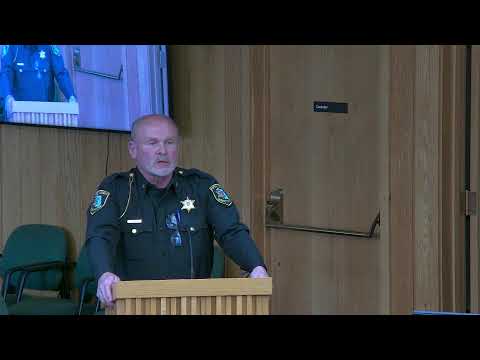
Emergency Management Director Ryan strongly opposed collapsing Emergency Management into Dispatch, arguing the office’s independence is important for planning, mitigation and continuity of executive access, and citing a 2018 decision that established Emergency Management as a separate department. Ryan said consolidation could shift a strategic planning function into an operational response unit and reduce organizational autonomy.
Commissioners weighed staffing capacity, historical context, and whether general-fund funding alternatives should be considered. After debate and a procedural roll call, the committee voted to forward the realignment proposal to Ways and Means for a deeper economic analysis and further consideration. The motion carried; Ways and Means will review the model and staffing/financial implications.