Get Full Government Meeting Transcripts, Videos, & Alerts Forever!
Get email alerts on the Medical Insurance topic
No spam. Unsubscribe anytime.
Georgetown ISD faces roughly $10M medical-fund shortfall; staff weigh 'Next Level' clinic and several budget scenarios
Summary
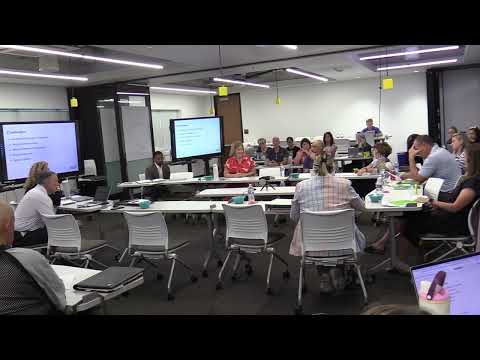
At a May 4 workshop, finance staff said the district's self-funded medical plan lost about $3.4–4M last year and projects another $6.3M this year, creating a roughly $10M gap. Staff proposed a $12M property-audit transfer, a third-party 'Next Level' clinic pilot, and four budget scenarios that affect teacher pay and possible voter approval of a tax rate increase.
Georgetown ISD finance staff told trustees at a May 4 board workshop that the district’s self-funded medical insurance plan has produced large deficits and will shape compensation and budget choices for the coming year. Kenneth, presenting medical-fund results and budget scenarios, said the district lost roughly $3.4–4.0 million on the medical fund last year and is on pace to lose another $6.3 million in the current fiscal year, creating roughly a $10 million cumulative shortfall. Staff proposed using a roughly $12 million one-time property-value-audit payment to transfer $10 million into the medical fund to stabilize finances heading into the next fiscal year.
Kenneth told trustees the district’s projected cost for medical insurance next year is roughly $18.4 million under current assumptions. He explained the nature of the district’s self-funded exposure: a specific stop-loss layer that leaves the district on the hook for the first $325,000 per catastrophic claim, an excess carrier for specific losses above that, and an aggregate carrier that covers roughly $2 million above expected claims. He also said the district cannot simply re-enter TRS ActiveCare until 2027 because of a statutory five‑year requirement after leaving the state pool.
To address the increase in costs, staff described a market offering known as Next Level: a subscription-style third-party clinic model that would charge approximately $30 per covered employee per month (about $60 for a family) and provide primary, urgent and many imaging services with little or no out‑of‑pocket charge at the point of service. Kenneth said the vendor promises net savings and would refund the district if it fails to meet guaranteed savings; trustees pressed staff on uptake risk, specialty-care limits and how Next Level visits would interact with the district’s Blue Cross Blue Shield plan.
Kenneth presented revenue and premium levers that could contribute to closing the funding gap: increasing the district’s contribution from $450 to $600 per employee (estimated $2.8 million), raising the employee-only premium by $40/month (estimated $587,000), increasing the employee+dependent premium by about $9/month (~$331,000), and using roughly $900,000 more of fund balance. Combined with the proposed $12 million property-audit transfer (of which staff suggested using $10 million for medical), these steps are staff’s working plan to fund next year’s projected medical costs while minimizing direct employee out-of-pocket increases.
Staff also laid out four fiscal scenarios for compensation and other line items: Scenario A would make no pay increases (cost to district: $0); Scenario B (estimated cost $725,000) includes a teacher step increase and targeted critical-pay adjustments; Scenario C (about $2.18 million) includes a 1% across-the-board increase for teachers and hourly staff plus market adjustments; Scenario D is a fuller market-aligned package (e.g., 3% for teachers) that would require new revenue, possibly through a voter-approval tax-rate election. Staff noted that any Voter-Approval Tax Rate (VAT) outcome affects both revenue availability and how retroactive pay would be handled.
Trustees asked technical questions about reinsurance, stop‑loss thresholds, catastrophic‑claim examples, and the sensitivity of projections to employee adoption of Next Level services. Staff acknowledged uncertainty in uptake and said Next Level would refund the district if savings did not materialize; they also said the district’s projections embed a 10% medical‑cost increase assumption for next year and that insurer negotiations could change the numbers.
No formal decisions were made at the workshop. Staff asked the trustees for feedback and said they will return with refined insurer estimates, community outreach materials about any proposed clinic or premium changes, and budget recommendations for a future board action.