Get Full Government Meeting Transcripts, Videos, & Alerts Forever!
Get email alerts on the Infrastructure Water topic
No spam. Unsubscribe anytime.
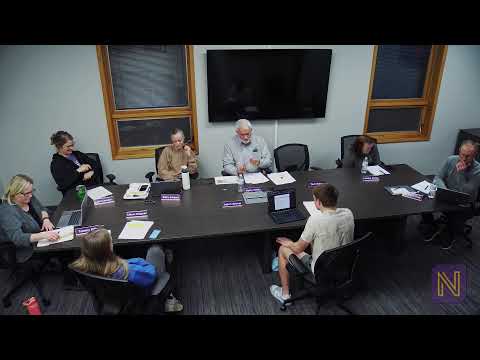
Nevada school board delays decision on athletic-field well after extensive technical briefing
Summary
District staff and consultants outlined a multi-hundred-thousand-dollar plan to drill an irrigation well for athletic fields, citing potential long-term savings from reduced city-water use. Board members raised questions about production risk, permitting and timing; the board voted to table the item until its May 4 meeting for more fiscal clarity.
District officials and consultants detailed a proposal to drill an on-site irrigation well for the Nevada Community School District’s athletic complex, but the board voted to table action until its May 4 meeting after extended questions about cost, water production and state funding risks.
Riley Larson of Larson Well and a district representative identified on the record as Dave described the technical case for a well, telling the board the district should “be looking for about 60 gallons per minute” to reliably irrigate the football and softball fields. Larson and staff said well success is uncertain based on local geologic data; the group recommended a $2,000 geotechnical-style remote study to improve siting confidence before committing to a drill.
Why it matters: board members framed the project as a potential way to reduce rising municipal water bills for large outdoor uses, but they also warned the capital cost and technical risk could leave the district with a long payback period if the well under-produces.
The consultants described a realistic drilling target between roughly 800 and 1,200 feet below ground and said that, if the hole yields less than the 50–75 gpm range they prefer, the district would need above-ground storage tanks and additional pumps to make irrigation practical. One engineer estimated the acidizing process sometimes used to improve bedrock production could cost around $40,000 and is not guaranteed to increase yield.
Board members pressed for detail on permitting, timing and budget. Officials said the county carries out state permit processing for withdrawals and that a separate water-withdrawal permit would be required if the well is expected to take more than 25,000 gallons per day; staff described the permit review window as variable and said an approval email from the agency is sometimes obtainable with follow-up calls. Construction timing was described as best in a dry window (June–July) to reduce site access and slurry-disposal problems; drilling and test pumping were estimated at about one month, with additional time for tie-ins and electric work.
Cost and fiscal concerns were central. Presenters gave a wide cost range depending on pump selection, storage needs and how deep the well must go; with higher pump estimates the project’s simple payback was described in the 18–24 year range under current water-rate assumptions. Several board members said the district should wait until there is clarity on statewide changes to the district’s “save” funds, which could alter the district’s available capital.
Direct quotes: Riley Larson said consultants would prefer “about 60 gallons per minute” for reliable irrigation. A district board member cautioned, “I’m nervous about spending possibly $300,000 and getting nothing,” reflecting worries about drill risk and uncertain legislative funding.
What’s next: the board voted to table the item and asked staff to return to the May 4 meeting with updated permit timing, vendor lead times (especially casing), and clearer fiscal impacts tied to any state action on saved-school funding.