Get Full Government Meeting Transcripts, Videos, & Alerts Forever!
Get email alerts on the Summer School topic
No spam. Unsubscribe anytime.
Board funds targeted summer‑school program, warns it may not be sustainable without grants
Summary
The board approved a four‑week intervention‑style summer program at an added general‑fund cost of $61,500, while staff emphasized the model differs from past 'summer camp' offerings and noted grant funding in prior years made the program sustainable.
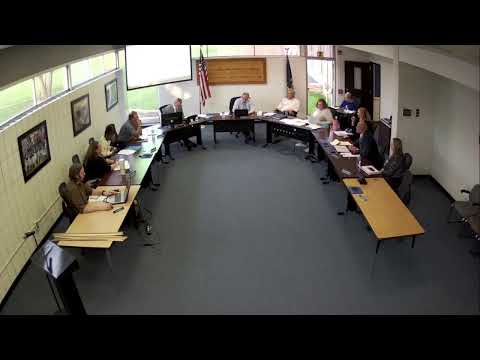
The Harper Creek Board approved a targeted summer‑school program on April 13 that staff described as an intervention model designed to address student learning gaps.
Program design and costs: staff described the proposal as 16 days (four weeks at four days per week), running 8:15 a.m. to 12:45 p.m., with meals provided. Presentation materials and staff comments cited a DK–8 line‑item cost of $61,500 for the classroom/intervention portion and a total program figure of $72,900 when including high‑school credit‑recovery services. Staff said the program as presented would serve small targeted cohorts (presenter referenced an 80‑student capacity in DK–8 programming), with high‑school credit‑recovery run as an annual program to support on‑time graduation.
Funding and sustainability: presenters said recent summer programs were funded by grants that are no longer available; therefore the $61,500 this year will come from the district’s general fund. Several board members noted that financing the program from the general fund likely would not be sustainable year‑to‑year unless new grant funding is found. One board member said the budget committee recommended the program as a necessary response to community concerns that the district not “pull the rug out” on students needing extra help.
How it differs from past offerings: curriculum staff emphasized the design is more intervention‑focused and less like past 'summer camp' formats, with targeted instruction tied to identified student learning gaps rather than broad enrichment.
Next steps: the board voted to approve the program; district staff will finalize staffing, registration and logistics and report outcomes after the program. The motion was recorded by roll call with seven yes votes.
Representative transcript excerpts: the presenter noted, "If we were to move forward with this, it would be a $61,500 add to our general fund budget." Board members asked staff to continue seeking grant funds for future iterations and to return outcome data after the summer session.
What to watch: whether grant funding is secured to sustain summer offerings in future years, and program outcome data showing student gains following the intervention model.