Get Full Government Meeting Transcripts, Videos, & Alerts Forever!
Get email alerts on the Historic Preservation topic
No spam. Unsubscribe anytime.
Preservation architect warns against pouring concrete directly against historic brick
Summary
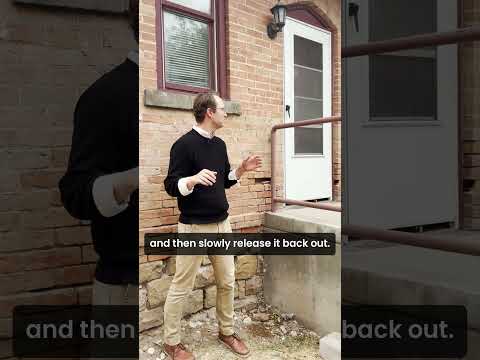
Jenson Bennett, a preservation architect with the Utah State Historic Preservation Office, demonstrated how concrete placed against brick can trap and transfer moisture and cause water damage at the joint between the materials.
Jenson Bennett, a preservation architect with the Utah State Historic Preservation Office, demonstrated on camera how pouring concrete directly against historic brick can lead to water damage. Bennett said concrete soaks up water and slowly releases it, while brick primarily absorbs moisture at its surface and dries more quickly, creating a cycle that draws water from the concrete into the brick and damages the masonry.
Bennett showed a section of brickwork with visible deterioration where a concrete porch had been placed next to the wall. He explained that the differing moisture behaviors of the two materials cause water to sit in the joint where the concrete meets the brick, and that repeated wetting and drying drives the damage. He recommended against placing concrete directly against historic brick to avoid this problem.