Get Full Government Meeting Transcripts, Videos, & Alerts Forever!
Get email alerts on the Election Law Overview topic
No spam. Unsubscribe anytime.
Utah County clerk reviews 2026 election-law outcomes, calls for code fixes on FastCast and cast‑vote access
Summary
The County Clerk described a mix of wins and losses in the 2026 legislative session: a federal SAVE-style verification was enabled at the state level (HB209), HB311 funds a study of by-mail voting, several bills (including HB479 and a Secretary-of-State measure) stalled in the Senate, and FastCast remains blocked pending code changes.
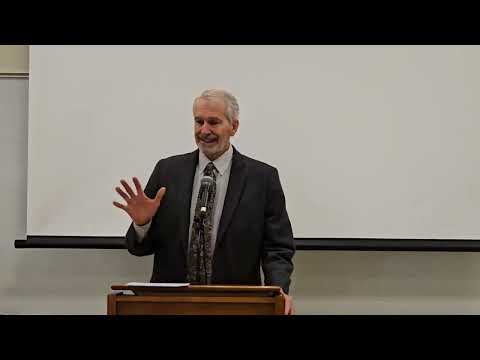
The County Clerk told a public briefing that a mix of bills this session will reshape local voting processes but left some key reforms in limbo. The clerk said FastCast, a system she introduced in 2024 to change how mail ballots are handled, will not be run this year after the Lieutenant Governor’s legal review flagged code-language about how a ballot is ‘provided’ and whether a voter must be allowed into a voting booth; lawyers told her they would not defend FastCast if it were litigated.
The clerk summarized several bills that failed to advance, including HB479 (a House-passed measure she said would have required ballots to be returned to drop boxes and, in the clerk’s characterization, would have required ID checks), HJR25/HB2529 (a plan to create a Secretary of State), and a list of other measures that did not pass (HB27, HB25, HB604, HP262, HB26, HB460, HB104, HB583). She said supporters will press federal contacts on related reforms and encouraged outreach to Sen. John Curtis about a federal SAVE/ID proposal that she said would have produced similar statewide changes.
Among bills that passed, the clerk noted HB311, which allocates $100,000 to the Herbert Institute at Utah Valley University to study by-mail balloting versus in‑person voting; she said she expects the institute’s work to be partisan and plans to seek input on the study. She also described HB263/HB1003 work on cast‑vote records and the ongoing debate over whether counties 'may' or 'shall' post those records publicly.
The clerk stressed that HB300’s four‑digit verification approach produced problems last year (she said it resulted in many ballots where the four digits matched but signatures did not) and that legislative fixes restored signature verification as the primary standard. She said the county tracked anomalous ballots and that HB94 and related fixes moved the law away from relying solely on the four digits.
The briefing closed with an appeal for civic participation in audits and more legislative work to clarify code language so systems such as FastCast can be implemented without legal risk. The clerk said she will work with Rep. Lisa Shepherd to seek code changes and urged citizens to follow upcoming legislative steps.