Get Full Government Meeting Transcripts, Videos, & Alerts Forever!
Get email alerts on the Solar Project topic
No spam. Unsubscribe anytime.
Louisburg board hears solar proposal and asks for third‑party verification before committing
Summary
Consultants presented a four‑building solar proposal for Louisburg USD 416 with an estimated gross cost of about $1.3 million and projected district savings of roughly $1.9 million over 30 years; trustees asked staff to obtain independent verification and insurance estimates before any action.
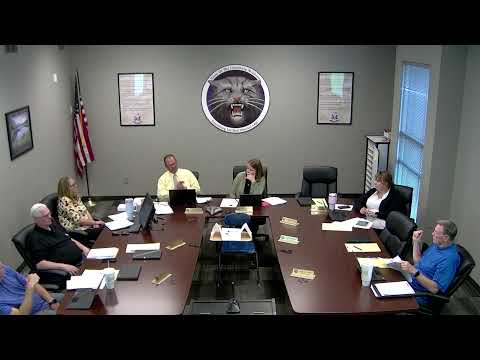
At the May 11 Louisburg USD 416 board meeting, energy consultants from Integrity Energy Partners presented a rooftop solar proposal covering four district facilities and outlined financing scenarios, federal tax incentives and a compressed deadline to secure incentives.
The consultants said the combined proposal would total about 686 kilowatts and cost roughly $1.3 million before incentives. "The federal tax credit to buy down the cost of this facility" could reduce that amount substantially, a consultant said, producing an estimated net project cost near $900,000 and long‑term savings in the consultants’ model of about $1.9 million over 30 years.
Why it matters: consultants said recent federal incentives and bonus credits for qualifying "energy communities" make the economics considerably stronger now than when the board first discussed solar. They said the district could either begin construction (for example, by purchasing a small percentage of materials before a near‑term July procurement deadline) or energize installations by year‑end to capture the tax credits.
Consultants described two financing scenarios: a zero‑percent up‑front option that relies heavily on the first‑year tax credit to reduce net cost, and a 20% up‑front option that lowers long‑term interest expense. They said the systems would be grid‑tied net‑metered arrays (no battery storage in the baseline proposal), monitored 24/7 and backed by 30‑year production warranties; they also cautioned that inverters typically require partial replacement in the second decade.
Board members pressed for practical details and risk mitigation. One trustee said the proposal raised fiscal concerns about borrowing: "I'm having a lot of heartburn over that," the trustee said, urging a thorough third‑party review of the consultants’ production and financial models and references from other districts. Consultants offered to provide modeled versus actual production data from other installations and recommended independent technical review (for example by a university engineering group or a state lab) and an insurance‑cost analysis before the board commits.
Next steps: the board asked staff and consultants to prepare a per‑building breakdown, model insurance and inverter‑replacement costs, and arrange third‑party verification of the yield and financial assumptions for review at a future meeting. No formal motion to proceed with procurement was taken at the May 11 meeting.