Get Full Government Meeting Transcripts, Videos, & Alerts Forever!
Get email alerts on the Mariculture Kelp topic
No spam. Unsubscribe anytime.
Native Conservancy pitches kelp farming as regenerative workforce and ocean‑restoration strategy
Summary
Dune Lankard of the Native Conservancy detailed kelp‑farming initiatives—including training, community seed nurseries, low‑cost ocean monitoring buoys and plans for native mariculture cooperatives—saying early pilots have generated dozens of jobs and that scaling will require processing, permitting and market development.
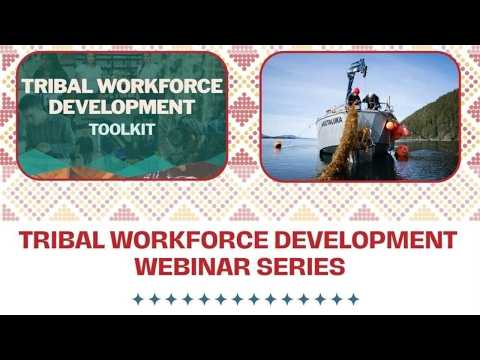
Dune Lankard, an Eyak Athabascan and president and founder of the Native Conservancy, described efforts to develop a tribal kelp‑farming and mariculture workforce as a regenerative, place‑based economy that can support subsistence, conservation and paid jobs.
Lankard recounted ocean warming and ecological impacts on Alaska fisheries and described how the Native Conservancy’s pilot programs and the "Kelp Now" tour have trained community members, established kelp seed nurseries and supported immersion training that he said produced about "60 to 80 jobs" in the initiative’s early stages. "Literally now there's hundreds of jobs across the state by at least a dozen different kelp corporations," he added.
He outlined practical barriers to scaling—processing, marketing, permitting, insurance and bonding—and recommended forming native mariculture cooperatives and shared processing to lower costs. He described technical investments the organization is promoting: hybrid and electric vessels, low‑cost data 'magic buoys' to measure pH, salinity and kelp yield, and community kelp seed nurseries in Cordova, Kake, Metlakatla and planned sites in Sitka.
On markets, Lankard cited early buyers and private interest, including a sale to a fertilizer company (Cascadia), conversations with apparel and bioplastics innovators and a conditional test purchase inquiry from Cargill Japan; he said companies will move if processing and volume assurances exist. "If you get 300 farms... you're going to be producing tens of millions of pounds of product," Lankard said, describing a stepped scale goal by region.
During the Q&A he acknowledged scientific uncertainty about how much carbon kelp can sequester long‑term and said additional monitoring and funded studies are under way; he noted near‑term carbon co‑benefits could come from product substitutions (bioplastics) and feed additives that reduce livestock emissions.
Lankard encouraged landscape analyses and immersion training to test local conditions and said the Native Conservancy is engaging communities across Alaska and receiving interest from tribes in Louisiana, Maine and Hawaii. He closed by highlighting a near‑term permitting milestone: Native Sea Trust had 24 permits and, he said, expects to have 25 permits in indigenous hands by next year.