Get Full Government Meeting Transcripts, Videos, & Alerts Forever!
Get email alerts on the Legal Funding Case topic
No spam. Unsubscribe anytime.
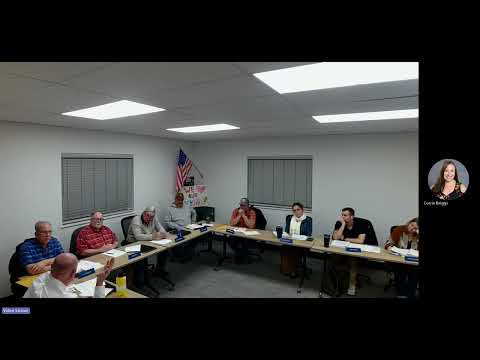
Board hears appellate win in school-funding lawsuit; studentsstanding affirmed, district plans next steps
Summary
A Court of Appeals ruling reversed a trial-court dismissal, the board was told, finding students have legal standing and rejecting the state's attempt to use the Oregon Tort Claims Act to bar constitutional claims; the district plans forensic accounting requests and outreach to students about potential court attendance.
Oakland School District 1 board members on Feb. 11 received an update that the Court of Appeals reversed a trial-court dismissal in a statewide school-funding case, clearing the way for the litigation to proceed.
A board presenter said the appellate courts decision explicitly recognized that "students have a legally recognized interest in school funding," rejecting the state's argument that the matter was merely political and confirming that the state could be subject to declaratory-judgment actions on its school-funding obligations.
The presenter told the board that the court also rejected the state's attempt to block the constitutional claim under the Oregon Tort Claims Act and that the plaintiffs intend to press forensic-accounting requests for native-format spreadsheets to trace how forest receipts were allocated. "The state's attempt to use the Oregon Tort Claims Act to block the constitutional claims is rejected," the presenter said.
Board members were advised the plaintiffs will seek detailed accounting data rather than high-level PDF summaries; presenters said that step is intended to test whether revenue from forest receipts was diverted to other social programs rather than schools.
The district discussed limited student engagement in court: while the presenter said in-court student attendance can be effective, the board agreed to a measured approach, with one plan to have a presenter brief juniors and seniors about the case and options for involvement rather than organizing a group court visit.
The board did not take new legal action at the meeting; the update framed the appeal ruling as a procedural success that advances discovery and possible merits litigation. The district will monitor filings and coordinate with counsel on any requests for records or court appearances.