Get Full Government Meeting Transcripts, Videos, & Alerts Forever!
Get email alerts on the Veterans Higher Education topic
No spam. Unsubscribe anytime.
Tennessee Higher Education Commission’s Vets conference aims to boost success for military‑connected students
Summary
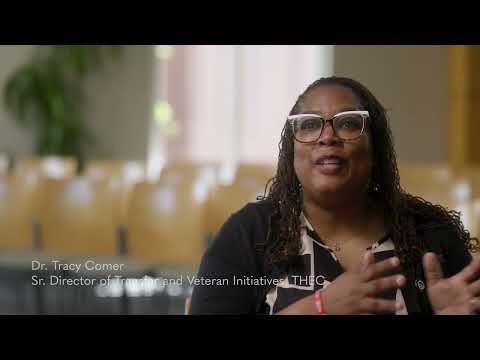
A presenter described the Vets conference as a forum to support about 20,000 military‑connected students in Tennessee through breakout sessions, networking and credit‑articulation strategies that translate military experience into degrees or trades.
A presenter at the Tennessee Higher Education Commission’s Vets conference said there are "approximately 20,000 military connected students across all the institutions in Tennessee," and described the event as an opportunity to improve student success through networking, breakout sessions and credit articulation.
The presenter said the conference brings together veterans, veteran professionals and military‑affiliated students to focus on practical topics that help with transitions from military service to higher education or career training. "The Vets conference hosted by the Tennessee Higher Education Commission is an opportunity for the state to bring together veterans, veteran professionals, and military affiliated students to really focus on those kinds and topics that benefit student success," the presenter said.
Conference sessions, the presenter said, include breakout workshops and networking intended to let campuses share innovations such as how they evaluate and articulate military training for college credit. "There's breakout sessions, there's opportunities for networking, being able to share some of those things that are innovative that campuses are currently working on, articulating credit, how do we get our veterans in and understanding their experiences," the presenter said.
The presenter highlighted cultural barriers as a recurring challenge, saying "military culture and civilian culture is very different and there's a lot of hesitancy around starting because there's a lot they don't know." Addressing that hesitancy—by helping veterans understand how their service translates into academic credit or career pathways—was presented as a primary aim of the conference.
Attendees, the presenter said, come from a broad region: "We have people coming from 200 mile radius and what is working well say in another state, those representatives are going to open our eyes here to new ways of serving the students." The event was described as a retrospective that showcases lessons learned and encourages other institutions to adopt proven practices.
The presenter closed by saying the Tennessee Higher Education Commission started the conference and intends to continue evolving support for student veterans. Organizers framed the Vets conference as an ongoing forum for sharing approaches that help military‑connected students translate service into credentials and degrees.