Get Full Government Meeting Transcripts, Videos, & Alerts Forever!
Get email alerts on the Governance And Operations topic
No spam. Unsubscribe anytime.
At‑a‑glance: Hopkinton School Committee approvals — leases, appointments, scholarships and reorganization
Summary
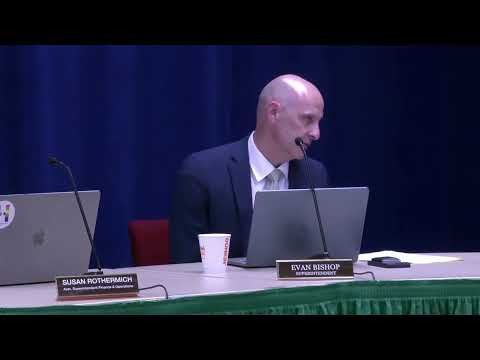
At the May 28 meeting the committee elected officers for 2026–27, approved technology leases (Apple device program and Chromebook fair‑market lease), appointed the superintendent to district collaborative voting roles, and approved a scholarship increase and several consent items; members later voted to enter executive session for superintendent negotiations and evaluation.
The Hopkinton School Committee on May 28 took a series of routine governance and business votes.
Elections and appointments: The committee elected Kyla McSweeney chair and Jamie Ramez vice chair for the 2026–27 school year during the reorganization portion of the meeting. The committee also appointed the superintendent as the district's voting member to the ACCEPT board of directors and as the district's voting representative to the Tech collaborative for 2026–27.
Technology approvals: The committee approved the annual Apple device lease for the 1:1 student device program (devices are provided on a four‑year lease with families choosing device specifications) and approved a fair‑market lease of Chromebooks with American Capital as part of the district’s Chromebook replacement plan; technology staff said Lenovo devices were recommended to reduce repair rates compared with the prior Acer devices.
Scholarships and consent: The committee approved increasing the Annette Joyce Flora Memorial Scholarship from $500 to $1,000 following state approval and approved the packet items listed as consensus items.
Executive session: The committee voted to move into executive session under M.G.L. c.30A, §21(a)(2) to conduct strategy sessions in preparation for negotiations with and discussion of the superintendent’s evaluation; a roll‑call vote to enter executive session passed and the meeting adjourned to executive session.
Ending: These votes were routine and passed by voice or roll‑call votes as recorded in the meeting; specific contract details or long‑term budgetary implications for some items were not detailed during the public session.