Get Full Government Meeting Transcripts, Videos, & Alerts Forever!
Get email alerts on the Transportation Policy topic
No spam. Unsubscribe anytime.
Superintendent seeks authority to declare transportation 'impractical' for private‑school routes; board hears legal process and payment‑in‑lieu details
Summary
Superintendent requested a standing authorization to declare transportation 'impractical' between board meetings—allowing staff to offer payment‑in‑lieu or act while appealing to the state. Staff outlined statutory 30‑minute rule, six legal reasons for impracticality, and potential funding and licensure consequences for missed steps.
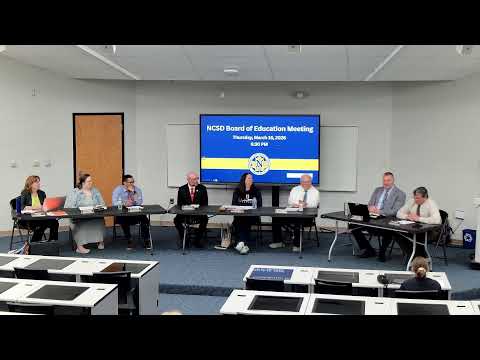
At the April 16 meeting, the Norwalk City School District’s superintendent asked the board to give standing authority to declare transportation “impractical” between meetings so staff can respond to private‑school transportation requests without convening special board meetings.
The superintendent summarized the proposal as a procedural authorization: when transport to a requested private school is legally impractical — for example because it exceeds the 30‑minute statutory limit, would be prohibitively expensive, or cannot be staffed due to driver shortages — staff can offer payment‑in‑lieu to parents or provide transportation while the district pursues a state appeal. “On 05/2001, authorize me to declare impracticality of transportation for students between board meetings,” the superintendent stated when introducing the item.
Staff walked the board through the statute and process, noting six statutory reasons for impracticality and explaining that initial outreach must identify resident students within a 30‑minute drive. If the board later determines transport is impractical, the district may offer parents a state‑set payment (up to 50% of actual transportation cost), or, if parents demand district transport, the district must provide service while appealing to the state department of education.
Why it matters: The policy affects families seeking transportation to private schools and ties to state compliance and funding. Staff cautioned that missing statutory steps can be costly; they also noted draft legislation would expose superintendents to licensing consequences if willful failures occur.
Board members asked whether parents could decline payment‑in‑lieu and insist on route service; staff confirmed parents may demand transportation, which can trigger immediate district provision pending adjudication. The superintendent and staff also said the district has a tight bus‑driver supply, which can affect feasibility across routes.
Next steps: The item will appear again as part of the organizational process (and any case brought in the time frame will be brought to the board with names redacted), and staff will return with specific cases and any required formal resolution.