Get Full Government Meeting Transcripts, Videos, & Alerts Forever!
Get email alerts on the Referendum topic
No spam. Unsubscribe anytime.
Noblesville Schools hears finance briefing on SCA 1 impacts, board authorizes audit work toward possible referendum
Summary
Superintendent Dr. Heil told the board that state tax changes and enrollment declines have squeezed district funding, and presented modeling of a possible eight‑year operating referendum capped at 57¢ with gradual increases; the board authorized administration to work with auditors but took no vote to place a question on the ballot.
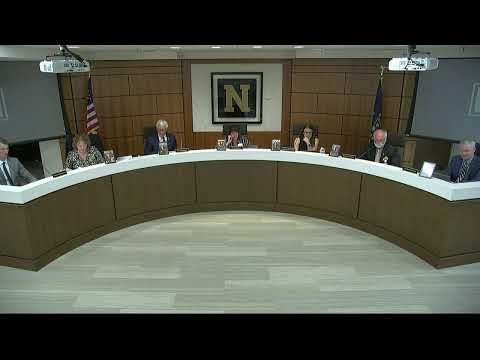
Superintendent Dr. Heil presented a detailed financial update at the Noblesville Schools board meeting on May 19, saying state funding changes and local enrollment declines have put pressure on district budgets and prompted planning for a potential operating referendum.
"Our referendum will automatically sunset and expire on December 31," Dr. Heil said, noting the current operating referendum generates roughly $25,000,000 a year for the district. He told trustees the district received $7,184 per student from the state in the education fund—below the state average—and that recent property‑tax caps have cost the district about $41.5 million over an 11‑year period.
Why it matters: Dr. Heil said the district’s three main operating funds (education, operations and referendum) cover day‑to‑day needs and that about 87% of those funds go to salaries and benefits. With an enrollment decline of just over 200 students this year and changes under Senate Constitutional Amendment 1 (SCA 1) projected to reduce net assessed value used for tax revenue, the administration modeled options to preserve current services.
Data and options: The district engaged Policy Analytics to run parcel‑level forecasts and tested scenarios that would maintain services while respecting property‑tax reform. One model the superintendent described would set a maximum referendum rate of 57¢ per $100 of assessed value but phase increases gradually—no more than 4¢ per year—so that the median homeowner would see an average increase of about $2.50 per month over an eight‑year period compared with today’s tax burden under SCA 1 projections.
Board discussion and next steps: Trustees asked clarifying questions about who decides tax increases (the board only authorizes a question; voters decide) and about how SCA 1 deductions and future charter‑school sharing provisions could alter referendum revenue. Dr. Heil said any ballot question would require a later board vote to place it on the general election ballot and stressed that the administration’s modeling does not commit the district to a specific rate.
Formal action: On a motion and voice vote, the board approved a resolution authorizing district administration to engage auditors and develop preliminary referendum paperwork and numbers so trustees and the community can consider a formal recommendation at the June 9 meeting. Administration said this step allows staff to prepare options and public materials; it does not place a question on the ballot.
What to watch: If the board decides to place a question on the November general election ballot, the administration said it will present a recommended question and a maximum rate for approval in June and then begin a public information effort. If the referendum funding is not renewed, Dr. Heil warned the district would face an immediate annual revenue reduction of about $25 million and said cuts would likely affect people and programs.
Attribution: Quotes and figures above are drawn from Dr. Heil's presentation and the board discussion during the May 19 meeting.