Get Full Government Meeting Transcripts, Videos, & Alerts Forever!
Get email alerts on the Railroad Safety topic
No spam. Unsubscribe anytime.
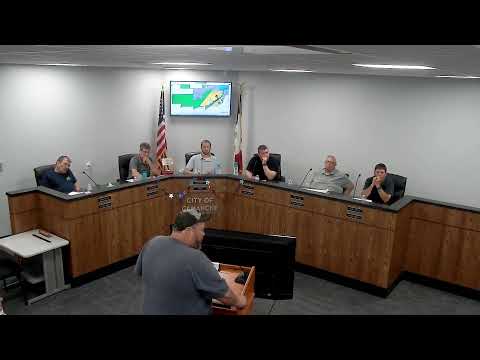
Comanche officials press railroad for clearer procedures after residents warn blocked trains threaten EMS response
Summary
Council and staff said they have begun outreach to CPKC/CP for information on procedures to limit crossings blocked by trains and asked residents to document each incident. Multiple residents urged long-term changes, including relocating EMS or building a bypass, citing potential life-or-death delays.
Comanche city staff and council members discussed recent concerns about trains blocking crossings and the risk those delays pose to emergency medical services.
City staff and the local EMS/Fire representatives said they have begun outreach to the rail company (CPKC/CP) and a contact in the railroad’s hazardous-materials unit has agreed to provide a written description of procedures, a list of crossing-ID numbers and a direct phone/text contact to report blockages. Staff emphasized the importance of immediate documentation: residents should record the crossing ID, exact time and duration of the stoppage so the railroad can investigate and compile actionable data.
At the meeting, Chief/EMS representatives and the City Administrator said CP has added an automated switch at Fourth Avenue that reduces some stoppages but longer trains and switching operations still slow traffic. They urged citizens to use the posted crossing numbers and the city website to report any blockage promptly.
In public comment, residents pressed for stronger local fixes. John Dixon (speaker 19) argued the city should place EMS on the opposite side of the tracks or build an alternate bypass to avoid response delays: "If a call comes in ... 5 minutes, and I'm dead," he said, urging the council to treat safety as the top priority and to consider using debt-service capacity to fund relocation or other safety improvements.
Why it matters: Council members say the railroad’s federal regulatory posture limits some local remedies, but staff said better documentation and direct reporting to the railroad may reduce repeated delays and create a record needed to seek operational changes.
Next steps: Staff will compile the railroad’s written procedures and the contact information promised by the rail representative and report back at the next meeting; the city also encouraged residents to call crossing numbers immediately and to report blockages to staff so the city can aggregate incidents.