Get Full Government Meeting Transcripts, Videos, & Alerts Forever!
Get email alerts on the Feasibility Study topic
No spam. Unsubscribe anytime.
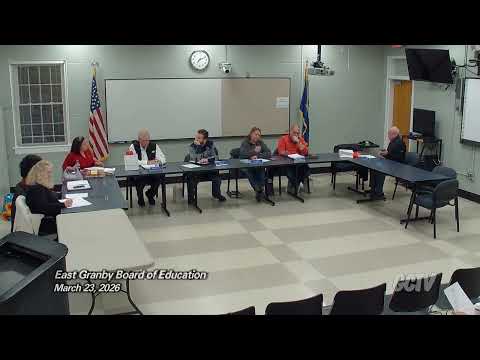
Board approves feasibility study for facilities, authorizes up to $150,000 from non‑lapsing funds
Summary
The East Granby Board of Education voted to pay for a facilities feasibility study — up to $150,000 from district non‑lapsing funds — to produce renderings, cost estimates and options to support future grant applications and community decisions.
The East Granby Board of Education voted to approve a facilities feasibility study and authorized using non‑lapsing funds up to $150,000 to pay for it. The motion, amended on the floor, passed after board discussion about scope, timing and funding.
Superintendent Suzanne said the study would produce multiple options — including a "do nothing" scenario, repurposing options and a campus model — and provide renderings, cost floors and revenue assumptions to help the community decide whether to seek grants and pursue larger projects. "When we get our renderings and our numbers and our financial floors from them ... there will be several options," she said.
Board member Drew moved to approve the feasibility study and to fund it from non‑lapsing funds up to $150,000. Board members discussed whether to use non‑lapsing funds now or ask the Board of Finance to contribute; they also discussed related obligations such as an indoor air quality (IAQ) study with an earlier 2024 quote near $104,000 and other capital needs. Suzanne said the town is partnering on a demographic study and that the feasibility work would include participation at community events so residents can give input.
Board members asked for a clearer accounting of the district's non‑lapsing balance and a monthly financial update so the board can weigh using those funds. One board member noted that the non‑lapsing fund has earmarks from prior budgets and that approving the feasibility study would reduce the available balance; the exact current balance figures mentioned in the discussion were unclear in the transcript and will be provided in board financials.
The chair called the vote; members signified by saying "aye," and the chair announced, "Motion carried." The motion language on the record authorized using non‑lapsing funds not to exceed $150,000 for the feasibility study. The motion does not obligate the district to construction; Suzanne said the study is intended to inform grant applications and community choices.
Next steps: the board asked for a future agenda item to present a full accounting of the non‑lapsing fund and to schedule further discussion of capital priorities based on the study's outcomes.