Get Full Government Meeting Transcripts, Videos, & Alerts Forever!
Get email alerts on the Education Capital topic
No spam. Unsubscribe anytime.
Forsyth Tech reports enrollment surge, outlines capital projects and $5M funding gap for Learning Commons
Summary
Forsyth Tech told the Forsyth County commissioners it has grown overall headcount 29% since 2019, added roughly 1,000 students year over year, received multicampus designation and reported a $5 million funding gap on the Learning Commons building despite $26.11 million available.
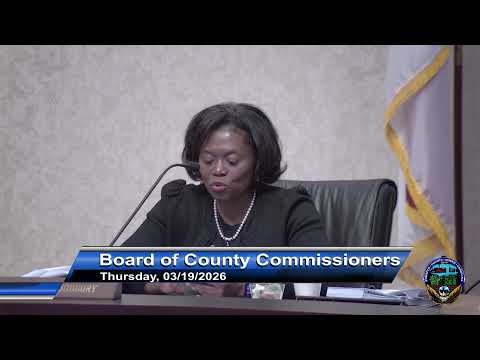
Dr. Janice Briggs, speaking on behalf of Forsyth Tech, told the Forsyth County Board of Commissioners on March 19 that the community college has seen substantial enrollment growth and outlined several capital priorities and funding needs.
Briggs said the college’s curriculum headcount has grown 29% since fall 2019 and that spring 2026 enrollment is roughly 14% higher than spring 2025, representing more than 1,000 additional students. Forsyth Tech has launched Trailblazer Athletics (eSports, women’s volleyball and men’s basketball) and highlighted honors for its cybersecurity associate degree program and faculty.
On capital priorities, Briggs described three main categories of requests: West Campus renovations (the campus is about 74,650 square feet and needs classroom, office and exterior repairs), a proposed roughly 26,000-square-foot multiuse building to expand athletics and wellness education, and expanded public-safety training facilities at the Northwest Forsyth Center, where FTE recently rose above 350 and the campus earned a multicampus designation.
Regarding the Learning Commons building (a remaining 2016 bond project), Briggs said Forsyth Tech has approximately $15,570,000 remaining from the bond, $8,000,000 in state SCIF (state capital investment funding) and an additional $2.53 million located from internal sources—totaling about $26,110,000—while the architects estimate the building will cost roughly $31.16 million, leaving an approximate $5 million gap. Briggs said she has spoken with legislators and is pursuing state or special appropriation and county staff are exploring prioritization options.
Commissioners asked questions about timelines and funding options; Briggs said the college hopes the state short session beginning in late April will allow movement on SCIF or special appropriation requests. She offered to answer follow-up questions and concluded the report.
The presentation provided enrollment metrics, program updates and quantified capital needs; commissioners did not take a vote on any funding request during the meeting.