Get Full Government Meeting Transcripts, Videos, & Alerts Forever!
Get email alerts on the Budget topic
No spam. Unsubscribe anytime.
Superintendent King details $732 million gap, touts student achievements and arts funding
Summary
Superintendent Magalene King told the board CPS faces a $732 million deficit for FY27, outlined priorities to protect high‑need students and announced arts and bilingual program investments while urging community engagement in budget planning.
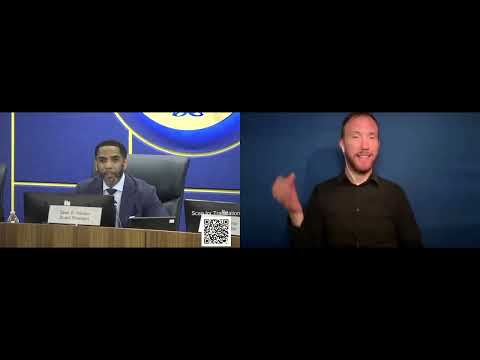
Superintendent Magalene King told the Chicago Board of Education on May 28 that the district faces a projected $732,000,000 budget gap as FY27 planning continues.
King said federal and state funding have not kept pace with student needs and that CPS receives about 73% of the state’s adequacy funding. She urged the board and community to prioritize resources for highest‑need learners and to reduce central‑office costs where possible. "We are facing a budget deficit of $732,000,000 this year," King said in prepared remarks, noting pressures from aging facilities, labor contracts and pension obligations.
King also highlighted student achievements and investments: the Class of 2026 earned more than 66,000 college credit hours, 252 students will receive associate degrees at graduation, and more than 3,100 students earned the Illinois State Seal of Biliteracy. She announced that Lollapalooza awarded a $1,700,000 grant to expand arts education and that CPS will add dual/world language programs to six schools next year as part of a four‑year bilingual expansion.
King said school budgets presented earlier in May are designed to protect supports for students with disabilities, multilingual learners and those in temporary living situations. The superintendent invited families and educators to summer learning sessions and roundtables; final school‑level budgets are scheduled to be refined by June 9 and a full FY27 budget will come before the board later this summer.
The superintendent’s remarks were followed by a lengthy public participation period during which union leaders, teachers and community members raised concerns about staffing cuts and asked the board to pursue additional revenue and bargaining remedies.