Get Full Government Meeting Transcripts, Videos, & Alerts Forever!
Get email alerts on the Water Quality topic
No spam. Unsubscribe anytime.
Coalition members call water quality the "900-pound gorilla" threatening coastal fisheries
Summary
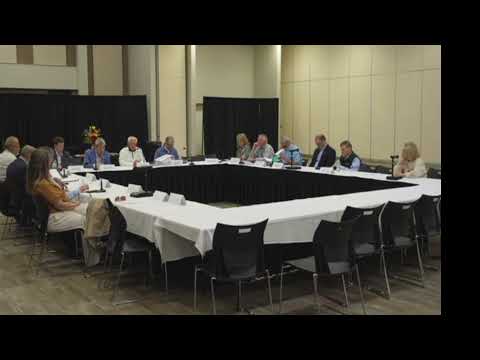
Members and public commenters urged action on water quality, citing a reported 12,000-gallon sewage spill, beach closures and long-term habitat degradation; speakers warned data centers and growth pressures increase strain on local aquifers and recommended expanded monitoring and outreach.
Multiple coalition members and public commenters identified water quality as the primary threat to coastal fisheries and coastal communities. "One of the most difficult things that I go through as a commissioner is sitting face to face...and the 900-pound gorilla in the room is water quality," Sarah Gardner said, describing local closures and a recent mortality event.
Janet and others reported a recent sewage spill in Pasquotank County of around 12,000 gallons and linked repeated local contamination events to beach closures and fish kills. Members said regulatory attention has focused on fishing restrictions while root causes—sewage, stormwater runoff, and large new water users—remain insufficiently addressed. "Every time we turn around, we're putting rules and regulations on fishermen to fix the resource, and the rules and regulations on them is not fixing anything," one participant said.
Speakers also raised concerns about the water demands and return flows from large data centers and AI facilities, which, they warned, can draw millions of gallons per day from aquifers and discharge untreated warm water into local systems. Lloyd urged members to consider historic federal basin programs and best-management practices that paired farmers and conservation planners, and several speakers proposed reviving targeted grant programs and partnerships that connect fishermen with scientists and university extension services.
John Nicholson, chief deputy secretary at the Department of Environmental Quality, told the group DEQ "embraces" the Collaboratory report and encouraged members to engage with the coastal habitat protection plan, offering DEQ partnership and technical support.
The coalition did not adopt a formal water-quality proposal at the meeting, but the topic dominated discussion and public comment; members recommended more frequent testing, expanded monitoring, and leveraging existing outreach channels such as the aquarium’s new seafood school and Got2BNC marketing to raise public awareness.