Get Full Government Meeting Transcripts, Videos, & Alerts Forever!
Get email alerts on the Historic Preservation topic
No spam. Unsubscribe anytime.
Londonderry residents urge short‑term stabilization, grants and a rebranding after voters reject $3.3M renovation
Summary
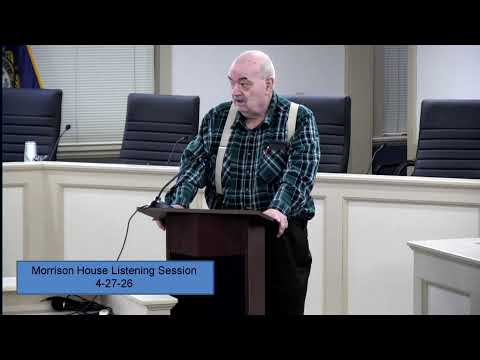
At a town listening session, residents and volunteers outlined a phased approach for the historic Londonderry Meeting House: immediate stabilization and mold control, pursuit of grant funding and donated labor, and clearer public outreach (including renaming) before returning a reviewed plan to the council.
Moderator: At a listening session convened by town staff, residents and civic leaders reviewed technical reports and proposed next steps after two warrant articles to fund a major renovation of the historic Meeting House failed at the March vote. The moderator said staff will compile a memorandum of options and pros and cons and present it to the town council in the coming months.
Why it matters: The Meeting House (a town‑owned historic building) faces multiple problems — a compromised floor, mold, noncompliant electrical and HVAC systems, an unpermitted septic, and limited ADA access — that together make reuse and public access expensive and legally constrained. Speakers at the session recommended balancing short‑term preservation with a longer fundraising and utilization plan so the town does not lose the structure to further decay.
What residents proposed: Several recurring suggestions emerged. Ray, a former study‑committee member, urged seeking placement in the state historic registry to unlock grant eligibility and urged community fundraising ideas including a public donation "thermometer" and corporate sponsorships. David Ellis, who has worked on preservation issues, urged stabilizing and "mothballing" the building immediately — targeted temporary repairs to the roof/chimney and measures to stop water intrusion and mold spread — because the town lacks funds for a full renovation now. Arts leaders and other residents proposed reusing the building as a community arts venue or a senior center to boost daily occupancy and make a larger investment more defensible.
On names and outreach: Multiple speakers said the building’s current name, "Reverend Morrison Meeting House," has led some residents to assume a religious project and can hamper fundraising. Several speakers recommended a more neutral, civic name such as "Londonderry Meeting House" or "the Meeting House" to widen appeal and suggested running a public contest or branding campaign at summer events to build visibility among newcomers.
Technical questions: Speakers pressed for a targeted structural inspection of the floor system and sills. Technical commenters noted that moisture control is central to stopping mold and rot and that selectively opening the floor to inspect sills and beams would be necessary to scope any structural work. Preservation consultants and prior reports (Weston & Sampson; Arco) are on the town website and will be attached to the staff memorandum.
Budget and legal constraints: The moderator clarified that the March ballot included a $3.3 million bond for renovation and a proposed ~$950,000 capital reserve fund; both failed. The moderator said that those defeats do not prevent the council from maintaining the building, contracting with a nonprofit to operate it, or returning to voters with a different proposal at a later date. Several residents and councilors urged better public education before the next ballot.
Next steps: Town staff will add comments and documentation gathered at the session to a memorandum for the council, with staff indicating an intent to present options in June or July. Community volunteers were encouraged to organize, form a leadership team and prepare a concrete, phased plan (stabilize → fundraise/partner → rehabilitate) to return to the council and voters.
Representative quotes: "History is really important," Ray said, urging registry placement and fundraising ideas. Moderator: "There is no cost [to entering the state database], it doesn't prevent us from doing anything," referring to the state historic‑property database. David Ellis urged low‑cost stabilization: "Fix a few essential things and basically mothball it until we can raise the funds." John Wilson urged immediate mold remediation: "The longer you let the mold sit there the higher the probability is that it's going to spread."
What was not decided: The session was a listening and brainstorming meeting; no formal motions or votes were taken. The council and voters will still need to approve any future funding measures.
Ending: Staff will compile the options discussed, attach supporting reports and documentation provided by residents, and present a memorandum to the council. Residents were asked to identify a volunteer leader and to prepare a prioritized plan for staff review before a council presentation.