Get Full Government Meeting Transcripts, Videos, & Alerts Forever!
Get email alerts on the School Budget topic
No spam. Unsubscribe anytime.
West Hempstead board releases $82.9 million 2026–27 budget; vote set for May 19
Summary
The West Hempstead Union Free School District presented a proposed $82,885,226 budget for 2026–27, citing rising transportation, salary and benefits costs; the board said it will use $1.9 million in reserves and $3 million in fund balance to stay within the tax-cap and urged voters to back the plan when polls open May 19.
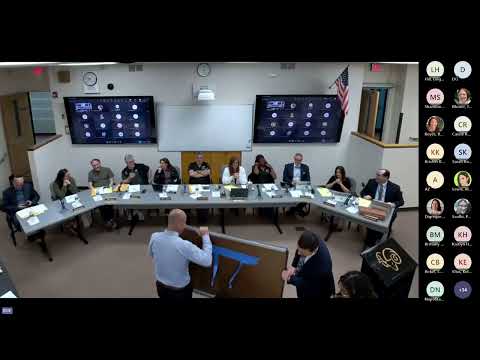
The West Hempstead Union Free School District presented a proposed $82,885,226 budget for 2026–27 at its May 5 board meeting, with district leaders saying higher transportation costs and rising salary and benefit expenses are the primary drivers of the increase.
Superintendent Mr. Raymond said the district used $1.9 million in reserves and $3 million of its fund balance to remain within the state tax‑cap formula and that the remainder of the spending will be funded by local property taxes. He reminded residents that the budget vote and trustee election are scheduled for Tuesday, May 19, from 7 a.m. to 9 p.m. in the secondary school north gym.
The presentation identified transportation as the single largest cost driver, with transportation costs projected to rise about 13.4 percent; special education services, textbooks, health services, charter-school tuition and the library bond project were also listed among the largest line items. The administration said transportation demand includes 38 requests in which only one student would be bussed, creating high per‑student costs.
On revenue, the district said it used the governor’s January state aid projections and noted New York State’s five‑week review period for adopted budgets; presenters cautioned that some aid categories (for example, expense‑based transportation and building aid) are tied to documented expenses and therefore do not automatically fund additional discretionary spending in 2026–27. The district reported an anticipated transfer of $350,000 in excess from the prior year and listed $25,000 in pilot revenues and an estimated increase in state aid among receipts.
The district quantified several program and operating changes in the library and facilities budgets: building maintenance would rise from $38,000 to $42,000 and library materials from $253,300 to $261,100. The library presentation noted HVAC equipment parts and control software are obsolete; library leadership said it is pursuing federal grant support through the office of Congresswoman Laura Gillan to fund an HVAC upgrade.
“We strongly encourage all eligible voters to participate,” Mr. Raymond said, noting the possible consequences if the budget is rejected: “A contingency budget does not benefit anyone who believes in the value of public education.” The district said a contingency budget would freeze the tax levy at last year’s level and require a review of costs and services.
Board members and residents asked for more historical line‑item information; an official said the district is updating its website and would explore publishing prior‑year comparisons. Residents also pressed the administration about rising charter‑school tuition costs and why families leave the district; board leaders said the district conducts outreach and highlighted a 98 percent graduation rate and college preparation programs as reasons families might choose to remain.
The board moved and passed a series of consent docket motions at the meeting, advancing groups of agenda items by voice vote; no roll‑call tallies were recorded in the public transcript.
If voters reject the budget on May 19, the district warned it would likely have to adopt a contingent budget that could limit programs or services; the district urged turnout and provided deadlines for absentee and mail ballots through May 18.
Next steps: voters will decide on May 19; if approved, the proposed 2026–27 budget would take effect July 1, 2026.