Get Full Government Meeting Transcripts, Videos, & Alerts Forever!
Get email alerts on the Budget topic
No spam. Unsubscribe anytime.
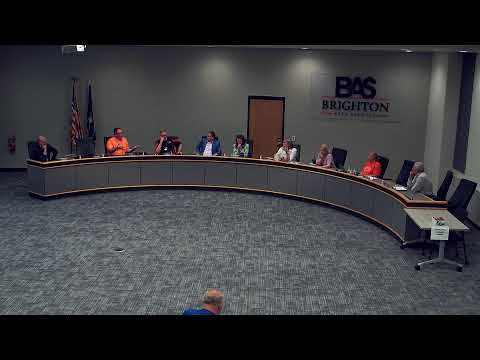
Brighton Area Schools finance director outlines proposed 2027 budget, recommends $1M minimum reserve
Summary
At a May 27 workshop the district finance presenter detailed the proposed 2027 budget assumptions, a projected fund balance of about $22.3 million and recommended setting a minimum annual excess‑revenue target of $1 million to protect against audits and other shocks.
The district’s finance presenter opened the May 27 budget workshop saying the preliminary 2027 budget is about 98% complete and currently projects roughly $620,000 in excess revenues, leaving a projected general‑fund balance just short of $22.3 million — about 17.5% of annual expenses. "That would give us a projected fund balance of just short of $22.3 million," the presenter said.
He walked the board through known cost components for fiscal 2027: a 3% increase in the state health‑care cap rate effective Jan. 1 (about a 1.5% fiscal impact because it applies to half the fiscal year), largely stable retirement (MIPERS) rates with an Oct. 1 effective date, and a bargained 2.5% compensation increase for 2027 that the administration applied more broadly for non‑bargained staff. On enrollment, his projection splits Brighton students from shared‑services students and anticipates about a 1.2% (≈124 FTE) increase next year as some audited FTEs are restored following program changes.
The presenter said an audit adjustment this year removed roughly 77 shared‑services FTEs (about a 70‑FTE net reduction) from the state foundation calculation, reducing revenue by about $700,000. He also noted a favorable, unbudgeted state retirement offset recognized in May and lower‑than‑expected community‑education supplementation that partially offset the hit.
On reserves, he recommended the board adopt a minimum annual excess target of $1,000,000 to provide a buffer against future audit adjustments or other unanticipated revenue declines. "My recommendation to the board is as a starting point your minimum should be a million dollars," he said, explaining the reserve protects the district from falling into a negative position during revenue shortfalls. He added that the district’s projected balance translates to about 46 days of cash on hand and that many finance professionals target 15–20% of annual budget for reserves.
The presenter outlined the budget calendar: staff aim to provide numbers for the June 1 finance committee meeting, present a proposed budget at the June 8 board meeting, receive final state budget and audited enrollment data in July–November, and present a first formal budget amendment the following January.
Board members asked for more time and detailed line‑item review before approval; several said they would consider tabling approval if additional review were needed. The board also asked administration to show what changes would be needed in the proposal to produce larger reserves, including a member’s request that administration show a version of the 2027 budget with a $1.5 million excess to explore capital funding options.
What happens next: the finance committee will review the numbers on June 1 and the full board will hold the statutorily required public hearing and budget action on June 8. If the board needs more time after the hearing, members may call a special meeting to finish budget action.