Get Full Government Meeting Transcripts, Videos, & Alerts Forever!
Get email alerts on the Homelessness topic
No spam. Unsubscribe anytime.
Commission-funded shelter programs and Safe Haven credit local grants with stabilizing services
Summary
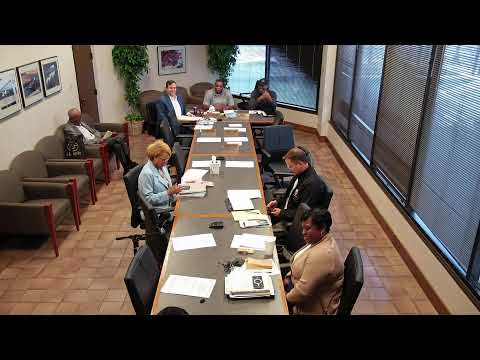
Providence House and Hope Connections told the commission their programs rely on local grants and private donors to maintain shelter capacity and a 37‑bed Safe Haven; Hope Connections described the Safe Haven as an entry point aimed at permanent housing for clients excluded from other shelters.
Providence House and Hope Connections told the Caddo Parish Commission that local grants and private donations prevented service interruptions and kept shelter beds available for families and people with complex needs.
Sharpel Welch of Providence House said the organization serves about 400–450 families each year and currently operates space for roughly 25 families (about 80 people total). Welch said the shelter maintains a waiting list of roughly 66–68 families and combines on-site services — education, child care and employment referrals — to reduce time in shelter and boost household incomes.
A representative from Hope Connections described the agency’s 37‑bed Safe Haven for people who are screened out by other shelters because of untreated mental illness, substance-use issues or criminal histories. The speaker said the commission’s grant and a private donor together averted an imminent closure and allowed operations to continue through the end of the year while the agency works on longer-term funding for 2027.
“Housing is the number one. Housing is the only solution to homelessness,” the Hope Connections representative said, summarizing the program’s emphasis on moving people into permanent housing after short-term stabilization.
Commissioners and presenters repeatedly emphasized coordination across agencies: shared databases, case conferencing and cross‑referrals to match people to the most appropriate program. Presenters asked the public to use the outreach reporting tools distributed in the community (QR‑code air‑fresheners and website forms) and to volunteer or donate to sustain operations.
No formal motions or votes were taken during the presentations. Commissioners said they will continue to monitor funding stability and encouraged philanthropic and volunteer support.