Get Full Government Meeting Transcripts, Videos, & Alerts Forever!
Get email alerts on the Regional Dispatch topic
No spam. Unsubscribe anytime.
Hubbardston finance committee urges level funding for regional dispatch amid transition costs
Summary
The committee outlined a history of Hubbardston’s regional dispatch arrangements and recommended fully funding the dispatch district this year to avoid contract breach and end‑of‑year true-ups as transition and stand‑up costs push FY27 expenses higher.
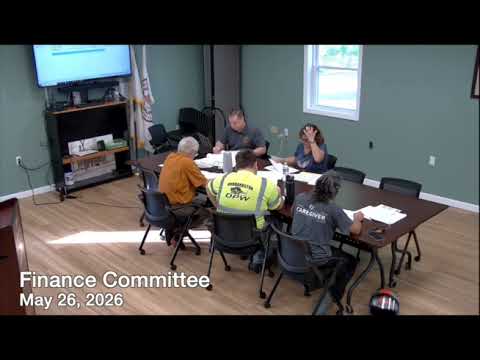
The Town of Hubbardston Finance Committee on May 26 recommended level funding the town’s share of the regional dispatch district for FY27, citing transition and stand‑up expenses tied to the district’s governance changes and additional member towns joining the system.
A finance committee member outlined the town’s history with Rutland dispatch — regionalizing in 2008 to save money and later converting to a dispatch district that gives equal representation to member towns. The presenter said recent moves to make the dispatch operation stand-alone require separate records, insurance, a labor council and infrastructure investments that increase short-term costs. “They need to be stand‑alone, self‑supporting, have their own records and books, their own labor counsel, have their own insurance… and there are expenses that go along with that,” the Finance Committee member said.
Why it matters: the committee emphasized that under the dispatch district agreement Hubbardston must give two years’ notice to withdraw and that underfunding in the short term risks contract violations and end‑of‑year true‑ups that can create unexpected bills. The committee adjusted a previously low estimate in the acting town administrator’s draft back to a level-funded figure, citing state 911 transition assistance and incentives for new towns that join the district.
Details: the presenter described FY24 one‑time state 911 assistance that temporarily made the bill whole and noted the district has added additional member communities (from five toward twelve), a change that will lower per-town costs eventually but raises transition charges in the near term. The presenter recommended funding the dispatch at the level necessary to avoid a contract breach and told the committee that prematurely attempting to withdraw without proper notice or funding could impose large transition costs on the town.
Next steps: the finance committee plans to carry the level-funded dispatch recommendation into its town meeting motions and asked staff to confirm exact transition-cost estimates with state 911 and the dispatch district before finalizing the warrant motion.