Get Full Government Meeting Transcripts, Videos, & Alerts Forever!
Get email alerts on the Zoning topic
No spam. Unsubscribe anytime.
Atwater council introduces zoning text amendments to streamline commercial development
Summary
The council introduced an ordinance to amend multiple commercial zoning chapters to increase consistency, allow administrative determinations of substantially similar uses, and standardize setbacks and heights; planning commission recommended approval and council voted to introduce the ordinance by title.
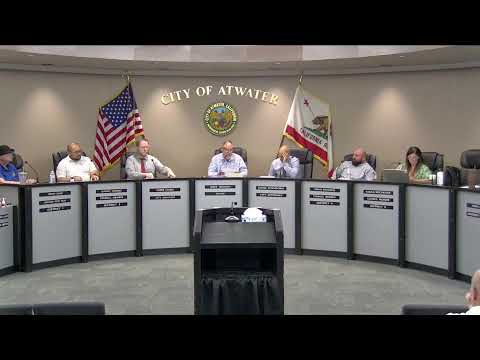
The Atwater City Council on Monday introduced an ordinance to amend the city's commercial zoning chapters, aiming to streamline development review, clarify similar-use determinations and harmonize development standards across districts.
Johnny Lan, the city’s Community Development Director, told the council that many commercial zoning provisions were adopted in the 1980s and have been amended unevenly over time. He said the proposed text amendments would let the community development director make administrative determinations about “substantially similar uses” consistent with the zoning intent, remove subjective building-height language, standardize setbacks, and align trash enclosure requirements with the building permit code.
Lan said these changes are intended to reduce ambiguity and shorten review timelines for developers and property owners. “Having that extra two, three, four week time period can make a difference,” he said, referring to current timing when similar-use determinations go to the planning commission.
The planning commission reviewed the changes on April 15 and recommended approval to council. Staff asked the council to open and receive public testimony, then waive the first reading by title and introduce ordinance CS811081 (text amendment 26-5-01000) amending multiple chapters of the Atwater Municipal Code, including chapters 17.34–17.38.
Council moved to approve staff’s recommendation (motion by Rochester; second by Kale). The roll call recorded affirmative votes from Rochester, Kale, Raymond and Nelson and the motion passed.
Next steps: The ordinance was introduced by title; staff will return with any final amendments and the ordinance will come back for formal readings and adoption as set by the council’s calendar and municipal code procedures.