Get Full Government Meeting Transcripts, Videos, & Alerts Forever!
Get email alerts on the Budget topic
No spam. Unsubscribe anytime.
Rockford presents status‑quo 2026 budget as council weighs using cannabis revenue to close $3.7M gap
Summary
City finance staff proposed a status‑quo 2026 general fund budget projecting $221.5M in revenue and $225.2M in expenses, leaving a roughly $3.68M shortfall; council members debated using $2.6M in accumulated cannabis sales tax funds and other one‑time measures versus recurring fixes such as levy increases or staffing adjustments.
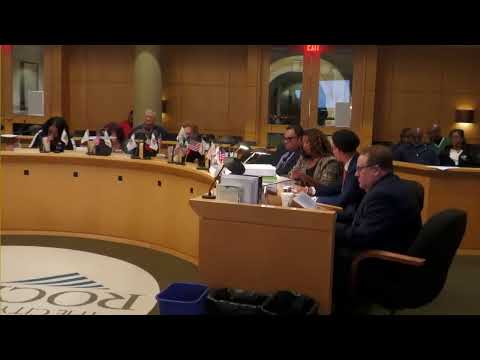
City of Rockford budget officials on Oct. 20 presented a status‑quo 2026 general fund proposal that projects $221.5 million in revenue against $225.2 million in proposed spending, leaving a projected shortfall of about $3.68 million.
Director Hagerty, who led the presentation, said police and fire make up nearly 75% of the operating budget and highlighted several revenue shifts for 2026, including a state law change that reclassifies some use tax to sales tax and a projected $7 million increase in reported sales tax largely reflecting that reclassification. "We are projecting 221.5 million in revenue and 225.2 million in expense," Director Hagerty said, adding that pension contributions are increasing by about $5.3 million and that staffing changes across the enterprise produce a net decline of roughly 15 positions in 2026.
The administration recommended a combination of one‑time and recurring measures to close the gap. Staff proposed using $2.6 million in accumulated cannabis sales tax receipts as a one‑time balancing item and programming $850,000 of cannabis proceeds as recurring revenue in 2026. Other options discussed included applying the permitted PTEL levy increase (estimated to generate about $1.8 million) or leaving certain vacant positions open to save an estimated $2.1 million.
Council members pressed staff for more detail on multi‑year projections, pension strategies and police overtime. Alderman Salgado and others asked for three‑ and five‑year revenue and expense forecasts to test whether proposed one‑time fixes risked creating future structural shortfalls. On police staffing, officials said a 14‑person recruit class is scheduled to begin in December and the department’s overtime budget was increased by roughly $1 million in the 2026 proposal to reflect persistent overtime costs; staff noted it will take months after hiring before new officers are fully deployed.
The budget presentation also revisited other revenue drivers. Staff reported that state‑shared personal property replacement tax (PPRT) receipts have declined and utility tax receipts are falling as consumer usage and efficiency change. On the casino host agreement, staff said preliminary results indicate the facility may fall short of an earlier $7 million annual guarantee and will be reconciled after a 12‑month operating period.
Council members voiced a mix of caution and urgency. "We should be wary of using one‑time money to solve recurring needs," one alderman said, while others noted public pressure to avoid a property tax increase and signaled support for using a portion of cannabis revenues to temper levy pressure. Several council members asked staff to return with longer‑range forecasts and a clearer breakdown of the assumptions behind revenue adjustments.
Next steps: staff said they will provide the requested five‑year projections, additional detail on pension assumptions and follow‑up estimates for police overtime and levy‑impact calculations before the council takes further action on the 2026 budget.