Get Full Government Meeting Transcripts, Videos, & Alerts Forever!
Get email alerts on the Budget Fy27 topic
No spam. Unsubscribe anytime.
Matthews manager presents balanced FY27 budget with no property tax increase; commissioners press for clearer line‑by‑line detail
Summary
Town Manager Malia James presented a balanced FY27 manager’s recommended budget totaling $46.7 million with no property tax increase, new PAVE transportation funds, four proposed staff positions and a 5‑year CIP; commissioners sought clearer line‑item explanations and urged more proactive outreach on event funding and fees.
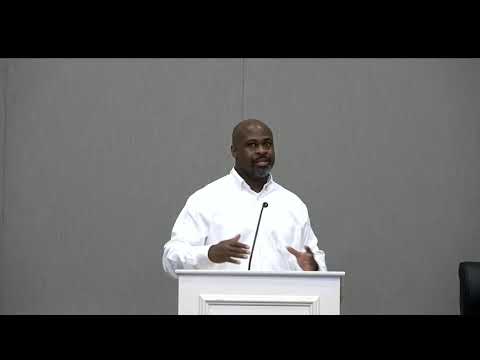
Town Manager Malia James presented the manager’s recommended FY27 budget to the Matthews Board of Commissioners on May 26, saying the proposal is balanced and includes no property tax increase.
"There is no property tax increase being recommended for this budget," James told the board during the public hearing and presentation. The all‑funds recommendation totals $46,670,670, a 13% increase from FY26 largely driven by a new transportation fund created to receive PAVE (House Bill 948) revenues.
The proposal includes a general fund budget of $38,735,957, continued emphasis on maintaining competitive wages and benefits, and a new five‑year capital investment plan. James said the transportation fund is being budgeted conservatively for only eight months of anticipated PAVE receipts in FY27; staff estimate Matthews could receive roughly $5.4 million annually once fully phased in.
Key personnel and compensation elements in the manager’s recommendation are a hybrid merit and cost‑of‑living approach — up to 3% merit effective Sept. 1, 2026, and a 3% COLA effective Jan. 1, 2027 — plus four proposed new positions: a staff attorney (reallocating funds from outside legal services), an IT technician (to support public safety and the broader organization), a safety coordinator and a senior transportation planner the manager said would be 100% PAVE‑funded.
Commissioners pressed staff on the budget presentation’s format and the difficulty of tracking changes across historical columns. Commissioner John Urban said the consolidation of prior departmental line items — for example, consolidating multiple police divisions into a single police department budget — produced large apparent percentage swings and made it hard to reconcile the book with historical detail.
"When you start tracking it line by line, you can get really confused really, really quickly," Urban said, thanking staff for the explanations. James and staff responded that the book includes historical breakout data for prior years which explains some of the dramatic percentage moves.
Commissioner Carrie Lamson warned that structural pressures remain even with a balanced FY27 proposal. "I don't think that can happen next year unless we do more," Lamson said when discussing the town’s limited revenue growth versus rising costs, adding that longer‑range strategies on revenue and operational tradeoffs will be necessary.
The recommended CIP and capital priorities were a focus in the discussion. James told the board that the FY27 CIP items total in the tens of millions and that staff plan to bring the board a 5‑year capital program for review; at the meeting a commissioner noted the FY27 CIP figure should be read as $16.9 million (clarification provided in the meeting record).
Tourism and enterprise funds were also reviewed. The tourism fund (prepared food/occupancy taxes) includes requests for external partners such as Arts & Science Council and Matthews Alive; stormwater remains an enterprise fund and reflects a fee increase adopted earlier. James emphasized that the town’s major revenues — property and local sales taxes — typically grow by roughly 2–3% annually, which does not match recent cost growth in wages and utilities.
The board recessed to hold the required public hearing on the manager’s budget and later reconvened for the evening agenda. The manager said staff will continue to share detailed supplemental information and meet one‑on‑one with commissioners if they want deeper line‑by‑line review.
Next steps: staff will continue outreach, provide supplemental detailed schedules and return with recommended actions for budget adoption; commissioners requested additional targeted briefings on specific fee changes, event line items and capital project phasing.