Get Full Government Meeting Transcripts, Videos, & Alerts Forever!
Get email alerts on the Behavioral Health topic
No spam. Unsubscribe anytime.
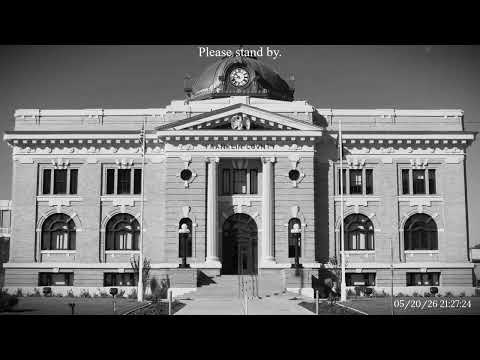
Franklin County reinstates funding for Columbia Valley Center for Recovery after unanimous vote
Summary
The Franklin County Board of Commissioners unanimously approved Resolution 2026‑186 on May 20, 2026, releasing a second payment of betterments and $2.735 million in contributions from the county's mental‑health sales tax fund to the Columbia Valley Center for Recovery amid robust public support and questions about admissions and oversight.
Franklin County commissioners voted unanimously on May 20 to reinstate funding for the Columbia Valley Center for Recovery, approving Resolution 2026‑186 and authorizing a second payment of betterments and a $2.735 million contribution from the county's mental‑health sales tax fund.
County administrator Brian Danzel, presenting the item, said the county’s mental‑health sales tax fund held $10,698,624 and that the proposed contribution would be the county’s second half payment for the recovery center’s betterments. "By doing this, we would be doing another $2.735 million in contributions to the Columbia Valley Center for Recovery," Danzel said, and added the fund would still retain roughly $8 million after the payment. He told the board the sales‑tax revenue derives from property taxes and a one‑tenth percent sales levy.
The proposal drew extensive public comment from residents, volunteer advisory‑committee members and people with lived experience in recovery who urged the board to complete the project and finalize an operating contract with Comprehensive Health. Nancy Roach, a member of the Benton Franklin Recovery Coalition, said she had contacted regional specialists and concluded that reports of "busloads of homeless" being transported between counties were not supported by those experts: "providers by state law and grant requirements are required to find services for clients in the counties where they are living," Roach said, adding that relocation by bus typically occurs only after a client has been treated and on a case‑by‑case basis.
Supporters argued the center would reduce pressure on jails, emergency rooms and first responders. Becky Gross, a registered nurse and member of the county’s behavioral health advisory committee, said investing in treatment is fiscally sound: "Every dollar we spend in treatment yields a return of four to seven," she said, urging commissioners not to abandon the project because the operating agreement and intake processes are imperfect.
Several speakers also urged the board to insist on strong accountability provisions in the contract with Comprehensive Health. Commissioners said they expected oversight and reporting provisions in any operating agreement; one commissioner said he would "demand accountability" and monitor staffing levels and service performance to protect taxpayers.
After discussion, a commissioner moved to approve Resolution 2026‑186 and unfreeze the second half of the betterments previously agreed to; another commissioner seconded the motion. The board voted orally and the motion passed unanimously.
What happens next: commissioners and county staff said they will work toward finalizing the operating agreement and invited commissioners to tour the Columbia Valley Center for Recovery. The board did not amend the motion or add conditions on the record beyond general statements about oversight; staff and advisory‑committee members said they will continue to provide information to the board on operations, admission policies and data monitoring.
Reported authorities and documents: the board considered Resolution 2026‑186 (reinstating funding) and a staff handout summarizing the mental‑health sales‑tax fund balance and projected allocations. The record did not include a finalized operating contract on the meeting agenda.
The board approved the resolution at the meeting and returned to other business, including land‑use hearings and an executive session on potential litigation.