Get Full Government Meeting Transcripts, Videos, & Alerts Forever!
Get email alerts on the Manufacturing topic
No spam. Unsubscribe anytime.
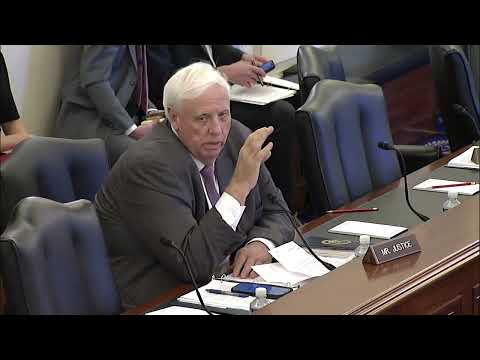
Presenter urges reindustrializing Appalachia, calls for local manufacturing investment
Summary
A presenter at a public event urged renewed investment in small-scale manufacturing across West Virginia and Appalachia, praising university programs and warning that exporting raw materials for overseas processing costs jobs and increases emissions.
A presenter at a public event urged renewed investment in small-scale manufacturing across West Virginia and Appalachia, calling on local leaders and institutions to turn timber and other natural resources into finished goods inside the state rather than exporting raw materials for processing overseas.
The presenter credited "Senator Justice" for previously making manufacturing a policy focus, and highlighted West Virginia University and Marshall University for supporting manufacturers through programs including the West Virginia Manufacturing Extension Partnership at WVU and Marshall's Advanced Manufacturing Center. "She naturally is a curator of the Watts Museum at West Virginia University," the presenter said of Danielle Petrick, praising her stewardship of the state's industrial history.
Why it matters: the speaker said domestic manufacturing supports jobs, creates local supply chains and reduces greenhouse-gas emissions from long transport and overseas processing. Using hardwoods as an example, the presenter described a common pattern: logs are harvested, trucked to a port such as Newport News, shipped overseas for processing, then returned to the U.S. as finished products. "It is the silliest thing in the history of the world," the presenter said of that cycle, and argued that keeping more of the value-added work local would strengthen communities and livelihoods.
The remarks named concrete policy levers and actors but did not propose a specific bill or formal motion. Instead, the presenter urged coordination among small businesses, higher-education extension programs and policymakers to build workforce pipelines and attract federal investment for domestic production. "We can solve the riddle if we'll just work at it a little bit," the presenter said, calling for immediate, practical steps rather than continued debate.
The remarks also framed the challenge in geopolitical terms, noting competition from countries such as China and mentioning other states with relevant resources. The presentation closed with an appeal to the audience to act: "Let's solve the riddle, everybody," the presenter said, thanking Danielle Petrick and urging attention to the issue going forward.