Get Full Government Meeting Transcripts, Videos, & Alerts Forever!
Get email alerts on the Rules Of Procedure topic
No spam. Unsubscribe anytime.
Silver City council debates adopting formal rules of procedure, including public-decorum provisions
Summary
At a work session, the Silver City Town Council reviewed a municipal-league rules-of-procedure template that defaults to Robert’s Rules of Order, debated consent-agenda mechanics and amendment processes, and discussed adding public-decorum language; staff and the town attorney will revise the draft for return to council.
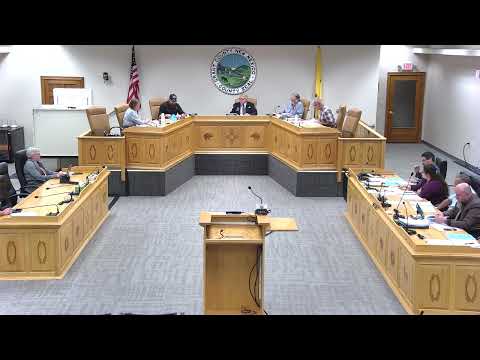
The Silver City Town Council met in a work session called to order by the Mayor to discuss whether to adopt a formal rules-of-procedure document and how strictly to rely on Robert’s Rules of Order. Councilor Snider introduced a municipal-league template that would provide a concise, amendable framework and default to Robert’s Rules where the template is silent.
The council discussed how a consent calendar would operate and the process for adding or withdrawing items from that calendar. Councilor Fritz said the template “feels like a really solid framework” but asked for clarity on how an elected official could get an item placed on a future agenda if staff or legal review initially declined it. Multiple councilors said routine items such as minutes, payroll and recurring permissions are typical candidates for consent calendars and can be removed for discussion by any member.
Legal limits on public discussion were raised repeatedly. The town attorney explained that some matters must be handled in executive session or are outside the council’s purview, and that the template’s provision to “default” to the presiding officer applying Robert’s Rules would allow the body to use the simpler template first and consult the manual only when needed. The attorney also clarified the relationship between meeting decorum and the First Amendment: public input is the principal protected forum for content-based speech, while decorum rules regulate the manner of speech (for example, prohibiting disruptive behavior) and cite municipal code section 131-05 for breach-of-peace enforcement.
Councilors debated how prescriptive the rules should be. Some said Robert’s Rules is comprehensive—“700 plus pages” in print—and may be more detail than the council needs; others argued for a deliberative process that gives each idea time and noted training resources and common practice among local nonprofits and municipal bodies. Several councilors said the template’s allowance to suspend rules by majority vote gives the body needed flexibility to be conversational while retaining formal procedures when required.
Public-decorum language from a Rio Rancho example drew concentrated discussion. The read-aloud excerpt included provisions that the presiding officer may bar anyone acting improperly from speaking, prohibit signage or objects that block views, require electronic devices be silenced, and designate public-safety officials to enforce room capacity or safety rules. Councilors sought clearer language to avoid leaving too much subjective discretion solely to the chair and asked the town attorney to confirm constitutional and statutory limits; the attorney repeatedly recommended precise, narrowly tailored language.
The Mayor noted a nonagenda factual point—“1,194 people have voted early”—and councilors agreed on a process for collecting edits: members should email suggested changes to the clerk rather than to a single councilor to avoid a rolling quorum and Open Meetings Act exposure. A working schedule suggested edits by November 7 (with an alternate Nov. 12 allowance for travel) so staff and the town attorney can compile and review a consolidated draft for the next session.
No formal adoption of the rules occurred at the work session. Earlier procedural business—approval of the work session agenda—was moved by Councilor Connor, seconded by Councilor Prince, and carried unanimously; the meeting concluded with a motion to adjourn and the council adjourned to convene the regular council meeting at 6:00.
The council asked staff and the town attorney to review the municipal-league template, insert Silver City-specific references (for example, clerical titles and meeting locations), and return a revised draft for further action at an upcoming meeting.