Get Full Government Meeting Transcripts, Videos, & Alerts Forever!
Get email alerts on the Municipal Composting topic
No spam. Unsubscribe anytime.
Teaneck launches municipal compost pilot for 75 households; pickup set for April 27
Summary
Teaneck’s Environmental Commission and Neighborhood Compost outlined a six‑month pilot municipal compost drop‑off program enrolling 75 households (about 50 on a waiting list) with starter‑kit pickup on April 27 at 11:00 AM and shared 64‑gallon totes for collected organics; residents were given rules on contaminants, accepted materials, and how finished compost will be distributed later in the year.
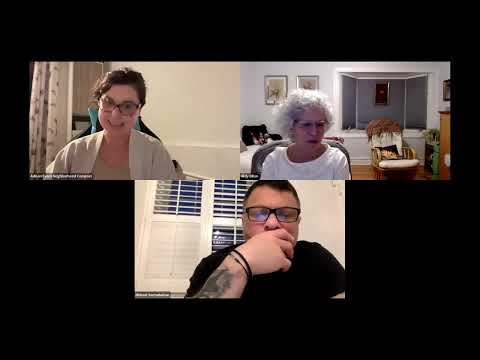
Teaneck’s Environmental Commission and local contractor Neighborhood Compost on the evening announced a six‑month pilot municipal compost drop‑off program that has enrolled 75 households and put roughly 50 people on a waiting list.
The pilot will begin April 27, when participants will pick up five‑gallon starter buckets with airtight lids and biodegradable liners at 11:00 AM in the parking lot across Palisad Avenue from the Roa Center. Collected material will be deposited in secured, lockable 64‑gallon totes at that site and occasionally collected by Neighborhood Compost for on‑farm processing.
The program is intended as a centralized municipal option while the township assesses demand and contamination rates. Hildy Dylan, chair of the Teaneck Environmental Commission, said the pilot will help the township decide whether to continue a central drop‑off model or encourage household pickup services.
“Seventy‑five people signed up in less than 24 hours, and we already have nearly 50 households waiting,” Dylan said. “This pilot will show us how much material we generate and whether a central model can work.”
Addison (Addie) Evans, who said she founded Neighborhood Compost in 2020, described the company’s processing approach: food scraps are fed to livestock on the company’s family farm, then composted in thermophilic windrows where temperatures regularly reach about 140–160°F to accelerate decomposition. Evans said Neighborhood Compost has diverted “over 500,000 lbs” of material from landfills across New Jersey (claim made in the meeting). The company is a member of the U.S. composting community and posts a compost guide and contact email (info@neighborhoodcompost.com) for residents to confirm whether specific items are acceptable.
Organizers and the contractor emphasized contamination rules. Residents were asked to remove plastic produce stickers, avoid receipts and shiny coated cardboard, and not to include pet or human waste. Accepted materials listed during the meeting included meat, dairy, cooking oils, plate waste, matte cardboard, and produce; chicken and rabbit manure and bedding were also allowed. Bio bags sold by the provider are BPI‑certified items the contractor recommends; these bags can break down if they become wet or are stored too long.
Evans said finished compost from township collections would likely be available to participants by late September or early October, and organizers suggested returning two to three cubic yards of finished compost as a community giveaway or at a town event later in the season.
On logistics, participants will receive a four‑digit combination for the locked totes. Presenters said totes are standard 64‑gallon wheeled containers; the lid requires a short lift and participants should plan for how they will tip five‑gallon buckets into the tote. Neighborhood Compost already serves multiple nearby municipalities and will collect material on regular routes; if totes fill quickly residents can alert the provider and staff said they will respond to avoid overflowing containers.
The commission stressed pilot rules: access should be limited to enrolled households so usage data are accurate, and repeated contamination by a household may prompt a warning and eventual suspension from the program. The program will also track volumes and problems to decide whether to move to paid household pickup or stick with centralized drop‑off.
The launch on April 27 will include an 11:00 AM bucket pickup window; organizers asked participants to arrive on time because launch staff will cross the street to support a townwide cleanup that begins at noon. Residents with questions were directed to Neighborhood Compost’s compost guide and to the Environmental Commission for follow‑up.
Next steps: the pilot begins April 27 with starter‑kit pickup; the commission will monitor contamination rates, participation and volumes over the pilot period before recommending further action to township leadership.